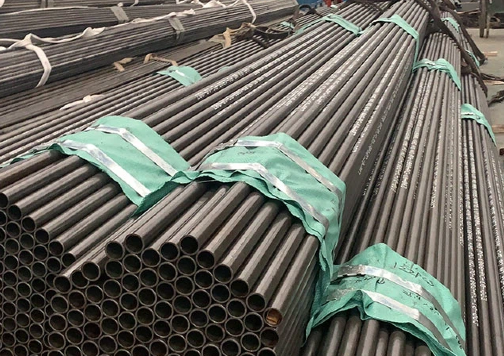
When planning and executing a construction project, sourcing the right materials is critical to ensuring the structural integrity and longevity of the project. One material that plays a key role in many heavy-duty construction applications is 14" carbon steel tubing. This robust material, due to its strength, durability, and versatility, is widely used in the construction of buildings, infrastructure, bridges, and other large-scale projects. Whether it's for structural framing, reinforcement, or piping systems, the correct choice of carbon steel tubing can make a significant difference in the overall success of the project.
However, sourcing 14" carbon steel tubing for construction projects is not a straightforward task. There are several important factors to consider in order to ensure that the tubing meets the required specifications, performs optimally under pressure, and fits seamlessly into the overall construction design. In this article, we will explore the key considerations when sourcing 14" carbon steel tubing, focusing on factors such as material grade, coating, manufacturing standards, cost, and supplier reputation.
1. Understanding the Basics of 14" Carbon Steel Tubing
Before diving into the key considerations, it’s important to have a clear understanding of what 14" carbon steel tubing is and why it is so commonly used in construction projects.
14" carbon steel tubing is a type of tubing made from carbon steel, which is an alloy of iron and carbon with minimal amounts of other elements such as manganese and silicon. Carbon steel is categorized based on its carbon content into low, medium, and high-carbon steels. Each type offers different characteristics in terms of hardness, strength, ductility, and workability.
The “14-inch” specification refers to the diameter of the tubing, making it suitable for applications that require large-scale pipes or structural components. Carbon steel tubing is known for its high tensile strength, resistance to wear and corrosion, and impact resistance, which are key qualities needed in demanding construction environments.
2. Key Considerations When Sourcing 14" Carbon Steel Tubing
When sourcing 14" carbon steel tubing for your construction needs, several factors should guide your purchasing decision to ensure the material is appropriate for the project’s requirements.
a. Material Grade and Strength
The grade of carbon steel is one of the most important factors to consider. Carbon steel is available in different grades, and each offers different mechanical properties, such as tensile strength, yield strength, hardness, and ductility. For 14" carbon steel tubing, it is crucial to choose the right grade based on the specific demands of your construction project.
Low-carbon steel (mild steel) has a carbon content of up to 0.3%. It is soft and flexible, making it ideal for applications where the tubing will undergo shaping or bending. However, it is not as strong as higher-carbon steels and may not be suitable for heavy-duty structural applications.
Medium-carbon steel contains between 0.3% and 0.6% carbon and offers a good balance between strength and ductility. This is the most commonly used grade for construction projects that require strength and wear resistance but also need to remain malleable enough for processing.
High-carbon steel has a carbon content of more than 0.6%. It is very strong and hard, making it ideal for high-stress applications. However, it is less ductile and can be more brittle, so it may not be suitable for certain construction needs where flexibility is required.
For 14" carbon steel tubing used in construction, medium-carbon steel is often preferred because it provides a balance between strength and ductility. It is particularly useful for structural components such as beams, columns, and load-bearing supports.
b. Tubing Thickness and Wall Specifications
The wall thickness of the tubing plays an important role in determining its strength and durability. The thickness must be carefully selected based on the load-bearing requirements and the specific application. Thicker tubing is generally stronger and better able to withstand pressure, while thinner tubing may be lighter and more flexible.
For large-scale construction applications, such as bridges or skyscrapers, where the tubing will bear significant loads, opting for thicker walls may be necessary to ensure structural integrity. However, in some cases, thinner tubing may be appropriate for less demanding applications, such as fencing or decorative supports.
It’s important to ensure that the wall thickness aligns with the specifications provided by structural engineers and complies with relevant building codes and safety standards.
c. Corrosion Resistance and Coatings
In construction, materials are often exposed to weathering, moisture, chemicals, and abrasion, all of which can cause rust and corrosion over time. To prevent this, 14" carbon steel tubing often requires a protective coating to enhance its corrosion resistance and extend its lifespan.
Some common coatings and treatments used for carbon steel tubing include:
Galvanization: This involves coating the tubing with a layer of zinc, which protects the steel from corrosion. Galvanized carbon steel tubing is ideal for outdoor applications where the tubing is exposed to moisture and weathering, such as in outdoor structures and water supply lines.
Powder Coating: A layer of dry powder is applied to the surface of the tubing, which is then heated to form a durable and long-lasting finish. This type of coating is commonly used in architectural structures and decorative elements due to its aesthetic appeal and resistance to scratches.
Epoxy Coating: Epoxy coatings are often used in underground or subterranean applications to protect the steel from corrosive chemicals and abrasive materials.
When sourcing 14" carbon steel tubing, it’s essential to choose tubing with an appropriate coating for the intended use. For example, if the tubing will be exposed to severe weather or harsh chemicals, galvanized or epoxy-coated tubing may be necessary to ensure long-term durability.
d. Manufacturing Standards and Quality Control
When purchasing 14" carbon steel tubing, always ensure that the manufacturer follows recognized quality standards and adheres to strict manufacturing processes. International standards such as ASTM (American Society for Testing and Materials) and ISO (International Organization for Standardization) ensure that the materials meet consistent specifications for mechanical properties, material composition, and safety.
Key certifications to look for when sourcing carbon steel tubing include:
ASTM A53: This standard is often used for steel pipe and tubing used in structural applications, such as support columns, and fluid systems.
ISO 9001: This certification indicates that the manufacturer has a strong quality management system in place, ensuring that all products meet consistent performance and quality standards.
Manufacturers that adhere to these standards often have a comprehensive quality control process in place, which can include checks for wall thickness, tensile strength, weld integrity, and surface quality. This helps to ensure that the tubing will perform reliably in the field, minimizing the risk of failure or issues during installation.
e. Supplier Reputation and Support
When sourcing 14" carbon steel tubing, it’s important to work with a reputable supplier who can provide high-quality materials and excellent customer service. Reputation matters when choosing a supplier, as it reflects their ability to meet delivery timelines, provide consistent product quality, and support your project from start to finish.
Additionally, a good supplier should offer robust after-sales support. This can include assistance with product selection, technical advice on installation, and providing clear documentation on product specifications and certifications. In case there are any issues or questions during the construction process, a reliable supplier should be readily available to assist.
Choosing a supplier with a proven track record of delivering quality products on time can make a huge difference in the smooth execution of your construction project.
3. Cost and Budget Considerations
When sourcing 14" carbon steel tubing, cost is, of course, a significant factor. The price of carbon steel tubing can vary depending on factors such as the grade of steel, wall thickness, coating, and order volume.
To get the best value for your project, consider the long-term durability and performance of the tubing. While cheaper options may seem appealing initially, they may not offer the same resistance to wear and corrosion, which could lead to costly repairs and replacements in the future. It's essential to weigh the upfront cost against the long-term benefits of investing in high-quality, durable materials.
When estimating the total cost, also consider shipping costs, delivery timelines, and any additional charges related to coatings or custom manufacturing processes. Requesting quotes from multiple suppliers and comparing prices can help you find the best deal while staying within budget.
4. Conclusion
Sourcing 14" carbon steel tubing for construction projects is a critical task that requires careful consideration of several factors. From the material grade and wall thickness to the protective coatings and the supplier's reputation, each element plays an essential role in ensuring that the tubing performs optimally in the demanding environments of the construction industry.
By choosing the right grade of steel, selecting appropriate coatings for corrosion resistance, and working with a reliable supplier that adheres to quality standards, you can ensure that the carbon steel tubing you source will meet the performance requirements of your project, reducing maintenance costs and increasing the longevity of the structure.
For construction professionals looking to source high-quality 14" carbon steel tubing, Suzhou Baoxin Precision Mechanical Co., Ltd. offers top-tier solutions designed to meet the needs of the construction industry. With their commitment to quality and reliability, they are a trusted partner for all your carbon steel tubing requirements, ensuring your project is built to last.


