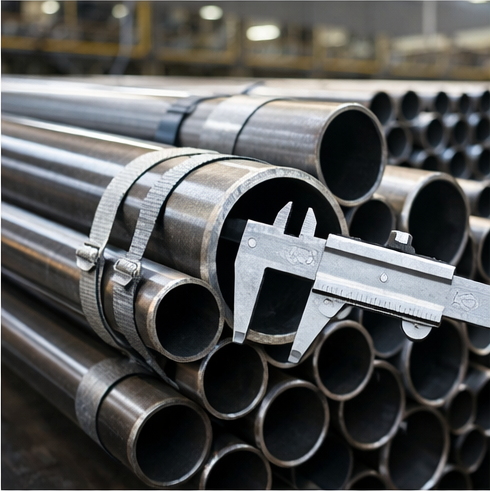
Seamless steel tubes are essential for industries like construction, automotive, and oil & gas. In 2024, the demand for these tubes is growing rapidly. But what affects their price and performance?
In this article, we will explore the key factors driving seamless steel tube prices and performance. You will learn how material choices, production methods, and global trends impact the cost and quality of these vital products.
What Are Seamless Steel Tubes and Why Are They Important?
Manufacturing Process of Seamless Steel Tubes
Seamless steel tubes are produced through a specialized process that ensures the absence of welds or joints, making them highly resistant to pressure and capable of handling extreme environments. The manufacturing process typically involves extrusion, perforation, and hot working techniques.
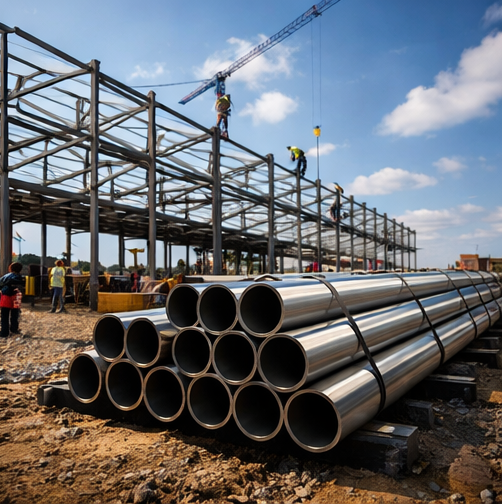
1. Extrusion: The process starts by heating a solid steel billet to a high temperature and then forcing it through a die to create a hollow tube. This method helps in producing tubes with consistent wall thickness and smooth surfaces, which is crucial for their durability in high-pressure applications.
2. Perforation: After extrusion, the tube undergoes perforation, where small holes are drilled along its length to remove any impurities or air pockets trapped during the manufacturing process. This ensures that the tube maintains its strength and prevents weak spots.
3. Hot Working: In this step, the tube is further heated and mechanically worked to refine its shape and dimensions. Hot working also improves the material’s mechanical properties, such as tensile strength and resistance to fatigue.
Key Applications of Seamless Steel Tubes
Seamless steel tubes are essential components in numerous critical industries, offering superior performance in demanding applications. Their strength, durability, and resistance to pressure make them the preferred choice for various high-stress environments.
● Automotive Industry: Seamless tubes are used extensively in automotive manufacturing, particularly for exhaust systems, fuel lines, and structural components. Their ability to withstand high temperatures and pressures makes them ideal for these applications.
● Construction: In the construction industry, seamless steel tubes are used for structural applications, including supports, beams, and frames. Their strength ensures that they can handle the weight and stress typical of large infrastructure projects.
● Energy Sector: One of the most significant uses of seamless steel tubes is in the oil and gas industry, where they are used for pipelines that transport oil, gas, and other substances under extreme pressure. Their resistance to corrosion and high pressure makes them essential in subsea and offshore drilling applications.
● Aerospace: The aerospace industry relies on seamless tubes for components such as hydraulic systems, engine parts, and structural frameworks. These tubes must meet strict industry standards to perform in the harsh conditions of high altitudes and variable temperatures.
In critical applications like oil pipelines and high-pressure systems, the absence of welds in seamless tubes ensures that they can endure the extreme conditions without compromising the integrity of the structure. Their ability to resist corrosion, handle high pressure, and maintain structural strength makes them a vital component in these industries.
Raw Material Costs and Their Impact on Pricing
Key Materials Used in Seamless Steel Tubes
The primary materials used in the production of seamless steel tubes significantly impact their pricing structure. The most common types of steel used include carbon steel, stainless steel, and alloy steel, each contributing differently to the cost of the final product.
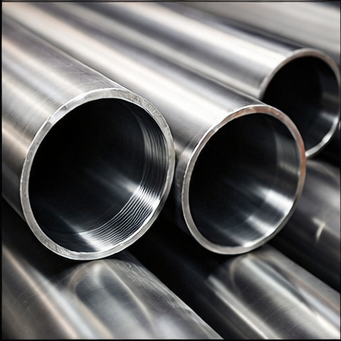
● Carbon Steel: This is the most affordable material used for manufacturing seamless tubes. It is widely used in applications where high corrosion resistance is not a critical requirement. Its cost is heavily influenced by fluctuations in global iron ore prices.
● Stainless Steel: This type of steel contains chromium and other alloying elements, providing enhanced resistance to corrosion and heat. Stainless steel tubes, especially those made with high nickel content like 316L, are significantly more expensive—often up to 3-4 times higher than their carbon steel counterparts.
● Alloy Steel: Alloy steels, which include elements like molybdenum, vanadium, and chromium, offer higher strength and resistance to high temperatures. These materials are used for specialized applications in industries such as aerospace and petrochemical, but they come at a higher price point due to the added cost of alloying elements and stricter manufacturing processes.
The overall cost of seamless steel tubes is thus highly dependent on the type of steel used, with higher-grade materials leading to higher production costs.
Global Steel Price Fluctuations
Steel prices are subject to global market dynamics, and fluctuations in the cost of raw materials—such as iron ore, nickel, and chromium—have a direct impact on the cost of seamless steel tubes.
● Iron Ore Prices: Iron ore is the primary raw material used in steel production. Its price is highly sensitive to demand from major steel-producing countries, especially China. When iron ore prices rise due to limited supply or increased demand, the cost of producing seamless steel tubes also rises. A 10% increase in iron ore prices can lead to a corresponding 6-8% increase in seamless tube prices.
● Nickel and Chromium Prices: Stainless steel tubes, particularly those used in high-corrosion environments, rely heavily on nickel and chromium. The price of nickel, which can fluctuate based on mining conditions and geopolitical factors, significantly affects the pricing of high-grade stainless steel tubes. For instance, any sudden rise in nickel prices can lead to a sharp increase in the price of stainless steel seamless tubes.
● Projections for 2024: As of early 2024, steel prices have seen a moderate increase due to rising demand in the energy and infrastructure sectors. However, raw material prices remain volatile, and further fluctuations are expected due to supply chain disruptions and changing global trade dynamics.
Impact of Geopolitics and Trade Policy
Global steel prices are also influenced by geopolitical tensions and trade policies, which can disrupt supply chains and impose tariffs that affect pricing.
● Trade Policies and Tariffs: Trade policies, including tariffs and anti-dumping duties, can significantly affect the price of seamless steel tubes. For example, in 2024, the European Union imposed anti-dumping duties of up to 39% on Chinese seamless steel tubes. These duties led to a price increase in the region as Chinese manufacturers faced higher export costs, and European buyers sought alternatives from other markets.
● Geopolitical Disruptions: In addition to trade policies, geopolitical events—such as disruptions in key shipping routes like the Red Sea—can impact freight costs, further driving up the price of seamless steel tubes. Freight costs account for a substantial portion of the total price of imported seamless steel tubes. Therefore, any delays or disruptions in international shipping can lead to price hikes, which are ultimately passed on to the consumer.
Factor | Impact on Pricing |
Iron Ore Prices | Direct impact on the cost of steel, typically 6-8% increase for a 10% rise in iron ore prices. |
Nickel Prices | A significant factor in stainless steel tube prices, especially for high-grade materials. |
Geopolitical Events | Disruptions can lead to higher shipping costs, affecting the final price of imported tubes. |
Trade Tariffs | Anti-dumping duties, such as those imposed by the EU, can increase prices by up to 39%. |
Manufacturing Processes and Their Role in Cost and Quality
Energy-Intensive Manufacturing
The production of seamless steel tubes involves several energy-intensive processes that directly influence both the cost and quality of the final product. The primary methods used in seamless tube manufacturing include extrusion and precision rolling, both of which require substantial energy inputs.
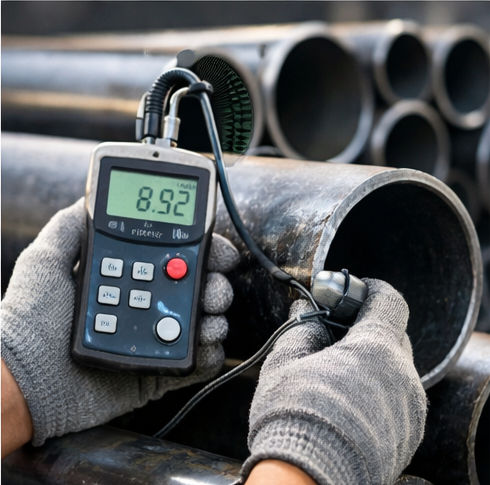
1. Extrusion Process: In the extrusion process, solid steel billets are heated to a high temperature and then forced through a mold to form a hollow tube. This method requires significant energy to maintain the high temperatures necessary for the steel to become malleable. The more complex the shape and the tighter the tolerances, the higher the energy consumption, which in turn increases production costs.
2. Precision Rolling: After extrusion, the tube often undergoes precision rolling, where the material is passed through rollers to refine its dimensions and surface finish. This process is crucial for ensuring the tube meets the exact specifications required for high-performance applications. However, the rolling process consumes additional energy, particularly when producing tubes with tight tolerances or those used in critical applications such as aerospace or oil and gas.
In regions with fluctuating energy prices, the energy cost component can vary significantly, affecting the overall cost of seamless steel tubes. High energy prices, particularly in countries that rely on non-renewable energy sources, can drive up production costs. Conversely, regions that use more sustainable energy sources or have lower energy costs may experience reduced production costs, giving them a competitive advantage in pricing.
Technological Advancements in Manufacturing
Technological innovations have played a significant role in improving the manufacturing efficiency of seamless steel tubes. Industry 4.0 technologies, including automation, data analytics, and AI-driven quality control systems, are now being integrated into the manufacturing process to enhance both productivity and cost-effectiveness.
1. Industry 4.0 Integration: The adoption of smart manufacturing techniques has allowed for increased automation in the production of seamless tubes. Automated systems can monitor production in real-time, adjusting parameters to optimize efficiency and minimize material waste. This shift toward automation has reduced labor costs, improved precision, and increased the consistency of product quality.
2. AI-Driven Quality Control: AI-based quality control systems are transforming the manufacturing process by detecting defects early in the production line. These systems use machine learning algorithms to analyze data from various sensors and cameras, identifying even the smallest inconsistencies in tube dimensions or surface defects. This leads to a reduction in the rejection rate, which lowers overall production costs. Additionally, fewer defective products mean that manufacturers can reduce waste and improve yield, directly contributing to cost savings.
By leveraging these technological advancements, manufacturers can streamline production processes, lower energy consumption, and achieve a higher level of precision. This, in turn, reduces the overall cost of seamless steel tubes while maintaining or even enhancing their quality. As the integration of these technologies becomes more widespread, manufacturers are expected to benefit from increased production capacity, cost reduction, and enhanced competitiveness in the market.
Factor | Impact on Cost and Quality |
Extrusion Process | High energy consumption, increases cost, critical for shape and tolerance control. |
Precision Rolling | Requires significant energy, essential for high-quality, tight-tolerance tubes. |
Industry 4.0 Automation | Reduces labor costs, increases precision, optimizes efficiency. |
AI Quality Control | Reduces defect rates, lowers waste, improves overall product quality. |
These advancements not only ensure the seamless steel tubes meet the required standards but also help to stabilize costs by minimizing production inefficiencies. As a result, the integration of such technologies allows manufacturers to remain competitive while maintaining high standards of quality in their products.
Environmental Factors and Sustainability
Impact of Environmental Regulations on Production
Environmental regulations play a crucial role in shaping the production landscape of seamless steel tubes. In key production hubs like Tangshan, China, stringent emission control measures have had a noticeable impact on the manufacturing process and pricing of steel products.
● Environmental Regulations in Tangshan: As one of China’s largest steel production centers, Tangshan has implemented strict regulations to control air pollution, particularly during winter months when smog levels are at their peak. These regulations often result in the temporary closure or reduced capacity of steel mills, which directly limits the supply of steel products, including seamless steel tubes. For example, during periods of heightened environmental restrictions, production can be cut by up to 15%, leading to supply shortages in the market.
● Effect on Pricing: The reduced supply due to environmental restrictions often causes price fluctuations. When production is limited, the scarcity of seamless steel tubes pushes prices higher. This is particularly evident in high-demand sectors like construction and oil & gas, where the need for seamless tubes remains constant. Thus, the interaction between environmental controls and supply levels can cause price spikes, making it challenging for buyers to predict future costs accurately.
Adoption of Green Steel and Sustainability Initiatives
The steel industry is gradually shifting towards more sustainable manufacturing practices, and seamless steel tube producers are no exception. As demand for environmentally friendly solutions grows, manufacturers are adopting green steel production methods and incorporating recycled materials into their manufacturing processes.
● Shift Toward Sustainable Manufacturing Practices: Traditional steel production methods are energy-intensive and generate significant carbon emissions. However, with increasing environmental concerns, manufacturers are embracing cleaner alternatives, such as Electric Arc Furnace (EAF) technology, which uses scrap steel as its primary raw material. This method significantly reduces the carbon footprint compared to conventional blast furnaces, making it a more sustainable option for producing seamless steel tubes.
● Recycled Materials and Green Steel: Recycled steel is becoming an essential component in seamless steel tube production. Approximately 28% of stainless steel billets used in manufacturing seamless tubes are derived from recycled materials. The growing demand for green steel, which involves utilizing recycled steel and reducing emissions, is pushing manufacturers to adopt circular economy principles. This not only helps in reducing waste but also lowers the environmental impact of steel production, aligning with global sustainability goals.
Sustainability Factor | Impact on Seamless Steel Tube Production |
Electric Arc Furnace (EAF) Technology | Reduces carbon emissions by recycling scrap steel, lowering environmental impact. |
Use of Recycled Materials | Decreases the need for virgin raw materials, reducing energy consumption and waste. |
Carbon Footprint Reduction | Adoption of cleaner technologies helps manufacturers meet stricter environmental standards. |
The integration of green steel production methods not only benefits the environment but also aligns with growing consumer preferences for sustainable products. As regulations continue to tighten, seamless steel tube producers are expected to increase their focus on adopting more eco-friendly practices to remain competitive and comply with global sustainability expectations.
Market Demand Drivers in 2024
Growth in Infrastructure and Construction Projects
The global demand for seamless steel tubes is increasingly driven by the growth in major infrastructure and construction projects. As nations invest in large-scale urban development and infrastructural advancements, the need for high-performance materials such as seamless tubes is growing.
● Impact of Major Infrastructure Projects: Initiatives like the Smart Cities mission and China’s Belt and Road Initiative are propelling the demand for seamless steel tubes. These projects require high-strength, durable materials to ensure the longevity and safety of critical infrastructure. Seamless tubes are ideal for such applications because of their ability to withstand high pressures and extreme conditions, making them crucial for structural components such as supports, beams, and pipelines.
● Structural Seamless Tubes in Building and Construction: The construction industry relies heavily on seamless tubes for various structural applications. These tubes are used in the construction of skyscrapers, bridges, and industrial buildings, where reliability and performance are paramount. Their use in scaffolding, plumbing, and as load-bearing components ensures that infrastructure projects meet safety standards while benefiting from cost-effective, long-lasting materials.
As construction projects become more ambitious and complex, seamless steel tubes are expected to play a central role in meeting the rising demand for quality materials in structural applications.
Oil and Gas Industry Growth
The oil and gas industry remains one of the largest sectors driving the demand for seamless steel tubes. As exploration and extraction techniques evolve, the need for specialized, high-performance tubes continues to rise, particularly for high-pressure applications.
● Increasing Demand for High-Pressure Tubes: The shift towards shale gas production and deep-sea exploration requires tubes that can handle extreme pressure and environmental conditions. Seamless steel tubes are essential for these applications because they offer superior strength, corrosion resistance, and reliability in environments such as underwater pipelines and deep drilling rigs.
● Oil and Gas Sector as a Key Driver for Pricing: The oil and gas sector has long been a dominant driver for seamless steel tube prices. As exploration and production activities increase in high-pressure environments, the demand for tubes with enhanced properties grows. The cost of seamless tubes is significantly influenced by the specifications required for these applications. Tubes designed for offshore drilling or subsea pipeline construction can command a premium price due to the specialized material requirements and the manufacturing processes involved.
Market Driver | Impact on Seamless Steel Tube Demand |
Smart Cities and Belt and Road | Increased demand for structural materials, including seamless tubes. |
Construction Projects | Demand for high-strength, reliable tubes for structural components. |
Oil and Gas Exploration | Growing need for high-pressure, corrosion-resistant tubes. |
Deep-sea and Shale Gas | Specialized tubes required for extreme conditions in drilling and transportation. |
As the global oil and gas sector continues to expand, particularly in challenging environments like deep-sea drilling and shale gas extraction, seamless steel tubes will remain a crucial component for the industry, driving both demand and price dynamics.
Conclusion
In 2024, seamless steel tube prices and performance are influenced by factors like raw material costs, manufacturing processes, and global demand. Understanding these elements is key to making informed purchasing decisions. For buyers seeking reliable products, Suzhou Baoxin Precision Mechanical Co., Ltd. offers high-quality seamless steel tubes, delivering excellent performance for various industries and ensuring value through efficient production and advanced technologies.
FAQ
Q: What factors affect the price of seamless steel tubes in 2024?
A: The price of seamless steel tubes in 2024 is influenced by raw material costs, manufacturing processes, technological advancements, and market demand. Supply chain disruptions or geopolitical events can also cause fluctuations.
Q: How does the manufacturing process impact the performance of seamless steel tubes?
A: The manufacturing process, including extrusion and precision rolling, directly affects the strength, durability, and consistency of seamless steel tubes. Energy-intensive processes can also influence overall production costs.
Q: Why are seamless steel tubes preferred in high-pressure applications?
A: Seamless steel tubes are preferred for high-pressure applications due to their ability to withstand internal stresses without welds, which are potential weak points in welded tubes.
Q: What are the key advantages of using seamless steel tubes in industrial projects?
A: Seamless steel tubes provide superior strength, uniformity, and resistance to high temperatures, making them essential for critical industrial applications such as oil and gas pipelines, aerospace, and construction.


