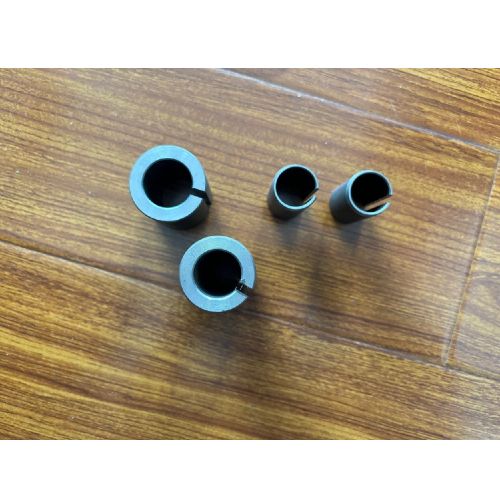
High-Strength Machinery Industrial Tubes are key components used in various heavy-duty and high-performance applications, from hydraulic systems to construction equipment. Their exceptional strength, durability, and performance in extreme conditions make them essential in industries that demand reliability and safety. In this article, we will explore the specific strength characteristics of High-Strength Machinery Industrial Tubes, their applications, and why strength matters in these tubes.
Understanding High-Strength Machinery Industrial Tubes
High-Strength Machinery Industrial Tubes are specially designed tubes made from high-alloy steel or similar materials that undergo rigorous processing to achieve superior mechanical properties. These tubes are primarily used in demanding applications where high pressure, high temperature, and extreme stresses are present. From hydraulic systems in heavy machinery to components in the automotive industry, the role of high-strength tubes is indispensable.
What is a High-Strength Machinery Industrial Tube?
A High-Strength Machinery Industrial Tube is a precision-made tube engineered to withstand higher tensile forces, pressure, and temperatures than regular steel tubes. These tubes are typically produced from alloys such as 4130 steel (chromium-molybdenum steel) and are processed through methods like cold drawing and heat treatment to enhance their strength and mechanical properties. Their strength, measured in terms of tensile strength, yield strength, and impact resistance, allows them to function in critical applications where failure is not an option.
Importance of Strength in Industrial Tubes
The strength of a tube plays a vital role in ensuring the structural integrity of the machines and systems they are a part of. When subjected to extreme loads, high-strength tubes maintain their shape and prevent failure, ensuring safety and operational efficiency. Moreover, their ability to withstand high temperatures and pressures makes them ideal for high-stress environments.
Key Features of High-Strength Machinery Industrial Tubes
To understand the strength of a High-Strength Machinery Industrial Tube, it is important to look at the materials, manufacturing processes, and the physical properties that contribute to its superior performance.
1. Material Composition
The material composition of High-Strength Machinery Industrial Tubes is fundamental in determining their strength and performance. The alloy used, such as 4130 steel, combines chromium and molybdenum to enhance the steel’s hardenability, tensile strength, and resistance to wear.
Common Materials Used in High-Strength Tubes
Material | Key Properties |
4130 Steel | Excellent strength, high resistance to impact, and fatigue. |
1020 Steel | Lower strength but still commonly used in general industrial tubes. |
Alloy Steel | Offers a balance of strength and corrosion resistance. |
Stainless Steel | Superior resistance to corrosion and strength in high-temperature environments. |
2. Manufacturing Process
The strength of these tubes is significantly influenced by the manufacturing process. High-Strength Machinery Industrial Tubes undergo several processes to ensure their robustness, including cold drawing, heat treatment, and surface finishing.
Key Manufacturing Processes:
Cold Drawing: This process improves the tube's dimension tolerance and surface finish, enhancing the overall strength of the material.
Heat Treatment: Tubes are subjected to quenching and tempering, making them more resistant to stress, pressure, and environmental conditions.
Surface Finishing: Processes such as polishing and coating are used to improve the tube’s resistance to wear and corrosion.
3. Physical Properties
The physical properties of High-Strength Machinery Industrial Tubes, such as tensile strength, yield strength, and impact resistance, are key to their performance in industrial applications. Below are some critical properties of these tubes:
Tensile Strength: This measures how much force the tube can withstand before breaking. For high-strength tubes, this can exceed 760 MPa.
Yield Strength: This refers to the amount of stress a material can endure without permanent deformation. High-strength tubes typically have a yield strength of 655 MPa or higher.
Impact Resistance: High-strength tubes perform well under sudden loads and extreme conditions, with impact resistance at temperatures as low as -40°C.
How Strong is a High-Strength Machinery Industrial Tube?
High-Strength Machinery Industrial Tubes are designed to withstand significant forces, and their strength is what makes them suitable for demanding environments. Let’s break down how strong these tubes are in more detail.
Tensile Strength and Yield Strength
The tensile strength of a High-Strength Machinery Industrial Tube is one of its most defining characteristics. Tensile strength refers to the amount of force the tube can endure before it breaks. For most high-strength tubes, the tensile strength is approximately 760 MPa or higher. This means they can handle large amounts of force without cracking or breaking.
Example: A tube with a tensile strength of 760 MPa can withstand approximately 760 N of force per square millimeter before failing.
The yield strength of these tubes is also high, typically 655 MPa or greater. Yield strength represents the amount of stress a material can take before it begins to deform permanently. This high yield strength is essential for maintaining the tube’s structural integrity in high-stress applications.
Impact Resistance
High-Strength Machinery Industrial Tubes are also designed to handle extreme temperatures and impact forces. These tubes have impact resistance as high as 60 J at temperatures as low as -40°C, ensuring they do not fracture under harsh conditions.
Pressure Resistance
These tubes can withstand pressures up to 25 MPa. In hydraulic systems, where tubes are subjected to high-pressure fluid flow, this strength is critical. The tubes’ ability to handle such pressures ensures that machinery and equipment remain operational and safe.
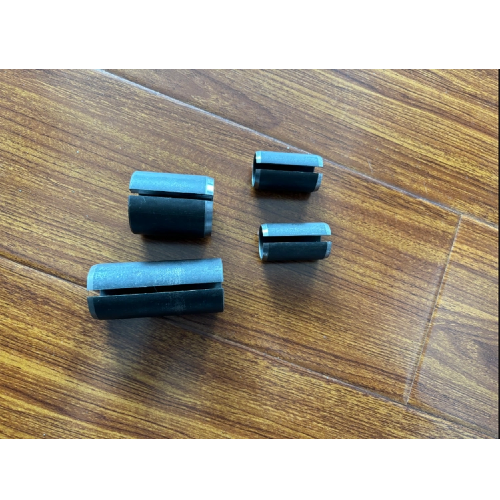
Applications That Benefit from High-Strength Machinery Industrial Tubes
High-Strength Machinery Industrial Tubes are essential in a wide variety of industries, where their strength and durability are put to the test in demanding environments.
1. Hydraulic Systems
Hydraulic systems rely on High-Strength Machinery Industrial Tubes for components like hydraulic cylinders, pumps, and pressure lines. These systems often operate under high pressure, and the tubes must withstand this pressure without failure. High-strength tubes are designed to perform reliably in such environments, even under extreme pressure and temperature conditions.
2. Heavy Machinery
In industries such as construction, mining, and manufacturing, machinery like excavators, cranes, and bulldozers require tubes that can endure heavy stress and pressure. The strength of High-Strength Machinery Industrial Tubes ensures that these machines operate safely and effectively under the most demanding conditions.
3. Automotive Industry
In the automotive sector, particularly in heavy-duty vehicles like trucks, buses, and off-road vehicles, high-strength tubes are used in critical components such as engine parts, suspension systems, and exhaust systems. The ability of these tubes to withstand high stress and pressure is crucial for vehicle safety and performance.
Why Strength Matters in High-Strength Machinery Industrial Tubes
The strength of these tubes is not just about the numbers; it is about ensuring the machinery they support operates safely and efficiently.
Safety and Durability
High-Strength Machinery Industrial Tubes help prevent catastrophic failures in machinery by ensuring that the materials can withstand extreme loads and environmental stress. This ensures that the machinery remains operational over long periods, minimizing the risk of accidents or downtime.
Performance in Harsh Environments
These tubes are designed to perform in extreme temperatures and pressures, making them ideal for industries where machinery is exposed to difficult conditions, such as mining, construction, and oil and gas extraction.
Benefits of Using High-Strength Machinery Industrial Tubes
Using High-Strength Machinery Industrial Tubes offers several advantages to industries that rely on machinery for their operations.
Cost Efficiency
While High-Strength Machinery Industrial Tubes may have a higher upfront cost, their strength and durability lead to lower maintenance costs over time. Machinery that uses these tubes requires fewer repairs and replacements, ultimately saving companies money in the long run.
Enhanced Performance
These tubes improve the performance of machinery by allowing components to handle higher loads and pressures, increasing operational efficiency and machine lifespan.
Conclusion
High-Strength Machinery Industrial Tubes are crucial for industries that demand durable, reliable materials to ensure the safe and efficient operation of machinery. With superior tensile strength, impact resistance, and the ability to withstand extreme pressure and temperatures, these tubes play a vital role in sectors such as hydraulics, heavy machinery, and automotive. By investing in high-strength tubes, businesses can benefit from enhanced safety, reduced maintenance costs, and improved overall performance.
At Suzhou Baoxin Precision Mechanical Co., Ltd., we specialize in manufacturing these high-strength tubes, providing solutions that meet the rigorous demands of industrial applications. Our tubes are engineered to deliver exceptional reliability, ensuring your machinery performs optimally under the most challenging conditions.
For more information on how our high-strength tubes can support your projects, or to discuss custom requirements, feel free to contact us. Our team is ready to assist you with the highest quality products and services tailored to your needs.
FAQ
What is the tensile strength of a High-Strength Machinery Industrial Tube?
These tubes typically have a tensile strength of 760 MPa or higher, ensuring they can withstand substantial forces before breaking.
What industries use High-Strength Machinery Industrial Tubes?
These tubes are used in industries such as hydraulic systems, heavy machinery manufacturing, and the automotive sector, where high strength and reliability are essential.
How do High-Strength Machinery Industrial Tubes perform in extreme temperatures?
These tubes are designed to perform well in temperatures ranging from -40°C to 400°C, making them suitable for harsh environments.
Can High-Strength Machinery Industrial Tubes handle high pressure?
Yes, these tubes can withstand pressures up to 25 MPa, ensuring the safety and efficiency of hydraulic and high-pressure systems.


