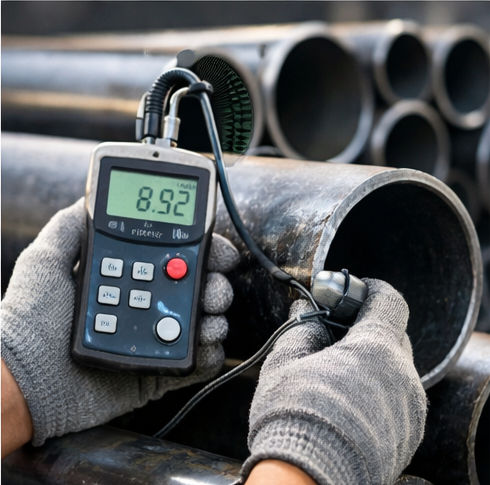
Introduction
Choosing the right Seamless Steel Tube is crucial in high-pressure industrial systems. A poor selection can lead to system failure and costly downtime. With so many options available, how do you ensure you're making the right choice?
In this article, we’ll explore the key factors that influence your decision, such as material, strength, and industry standards. You’ll gain insights into selecting the perfect seamless steel tube for your high-pressure needs.
Understanding Seamless Steel Tubes for High-Pressure Applications
What Makes Seamless Steel Tubes Ideal for High-Pressure Use?
Seamless steel tubes are an essential choice for high-pressure applications, offering superior strength and durability compared to welded pipes. Their unique manufacturing process and structural integrity make them capable of withstanding extreme pressures without failure.
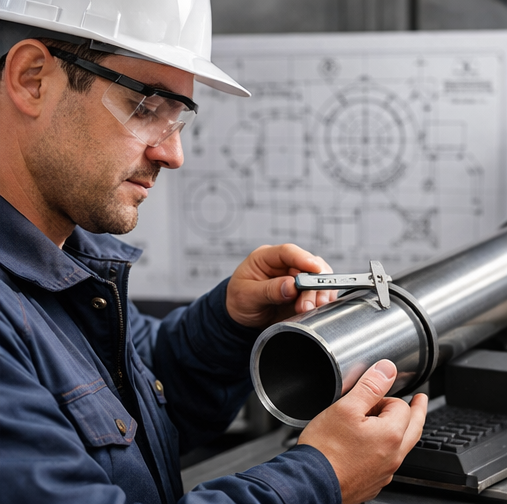
Key benefits of seamless tubes:
● No Welds or Joints: Seamless tubes are made from a single solid billet, which is heated and then pierced to form a continuous tube. The absence of welds or joints significantly reduces weak points found in welded pipes, enhancing the tube's overall strength and integrity.
● Uniformity and Durability: The seamless design ensures that the tube maintains consistent properties across its entire length, offering enhanced resistance to pressure-induced failures. This makes seamless tubes ideal for high-pressure environments, where even minor flaws can lead to catastrophic consequences.
● Tighter Tolerances and Smoother Surfaces: The manufacturing process for seamless tubes allows for tighter dimensional tolerances and smoother surfaces, which are critical in ensuring the tube performs optimally under high-pressure conditions. This precision is particularly important in industries such as oil and gas, chemical processing, and power generation, where pipes experience constant pressure fluctuations.
In summary, seamless steel tubes are the preferred option for high-pressure applications due to their structural integrity, ability to withstand extreme pressure, and enhanced performance under harsh conditions.
Why is Seamless Steel Tube Material Selection Crucial for High-Pressure Systems?
Selecting the right material for seamless steel tubes is essential for ensuring that they perform reliably under high-pressure conditions. The material must be capable of withstanding not only the internal pressures but also the temperature extremes and potentially corrosive environments typically encountered in industrial applications.
Materials commonly used for high-pressure seamless tubes include:
● Carbon Steel: Carbon steel is a popular choice for moderate-pressure applications due to its excellent strength and toughness at a relatively low cost. However, carbon steel's susceptibility to corrosion limits its use in highly corrosive environments. It is commonly used in applications where corrosion is not a significant concern, such as water and gas pipelines.
● Alloy Steel: Alloy steels like ASTM A335 P11, P22, and P91 are designed for high-temperature and high-pressure applications. These steels offer improved resistance to creep and fatigue, making them suitable for power plants, chemical processing units, and refineries where the material is subjected to high thermal and mechanical stresses.
● Stainless Steel: Stainless steel is known for its excellent resistance to corrosion and its strength at both high and low temperatures. This makes it a reliable choice in harsh environments, such as chemical processing and marine applications. Materials like ASTM A312 TP304 and TP316L are commonly used in industries where the tube must endure aggressive chemicals or salty seawater.
● Nickel-based Alloys: Nickel-based alloys, such as Inconel and Monel, offer exceptional resistance to high temperatures and extreme corrosive environments. These materials are ideal for critical applications in aerospace, nuclear power, and deep-sea oil drilling, where both heat and corrosive substances present significant challenges.
Factors to consider when selecting materials:
● Pressure Rating: The material must be chosen based on the maximum pressure that the system will experience.
● Temperature Range: Different materials have varying tolerance to temperature extremes, making it important to match the material to the operating environment.
● Corrosion Resistance: Materials like stainless steel and nickel-based alloys provide superior corrosion resistance for systems exposed to aggressive chemicals or seawater.
Industry standards such as ASTM, API, and EN provide guidelines for selecting the appropriate material for high-pressure systems, ensuring that the chosen material meets the necessary performance criteria for safety and efficiency.
Material | Best Use Case | Key Benefits | Common Applications |
Carbon Steel | Moderate-pressure systems | Cost-effective, good strength and toughness | Water, gas pipelines |
Alloy Steel | High-pressure, high-temperature environments | Enhanced resistance to creep and fatigue | Power plants, chemical refineries |
Stainless Steel | Corrosive and high-temperature environments | Excellent corrosion resistance, strong at high temperatures | Chemical processing, marine industries |
Nickel-based Alloys | Extreme heat and corrosive environments | Exceptional resistance to heat and corrosion | Aerospace, nuclear power, deep-sea drilling |
Key Specifications for High-Pressure Seamless Steel Tubes
How Wall Thickness Affects Pressure Resistance in Seamless Tubes
Wall thickness is a key specification that directly influences the pressure resistance of seamless steel tubes. In high-pressure environments, such as in oil and gas pipelines or power generation systems, the ability of a tube to withstand pressure without failing depends largely on the thickness of its walls.
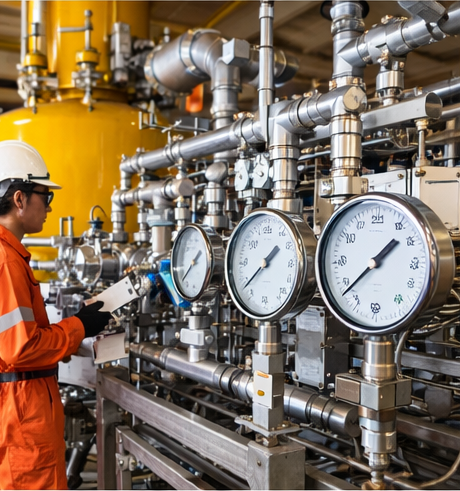
Here’s how varying wall thicknesses contribute to pressure-bearing capacity:
● Schedule 80: Suitable for medium-pressure applications, providing adequate strength for moderate operational demands.
● Schedule 160: Designed for high-pressure systems, offering a thicker wall to handle greater stress and pressure.
● XXS (Extra Extra Strong): Provides the highest wall thickness, designed for the most demanding high-pressure applications where extreme durability is required.
Thicker walls generally provide higher resistance to both internal and external pressures, reducing the risk of deformation and failure. However, increasing wall thickness also adds weight and cost, so it’s important to choose the correct schedule based on the system’s maximum operating pressure (MOP) and temperature conditions.
What Dimensional Accuracy Is Needed for High-Pressure Seamless Tubes?
Dimensional accuracy plays a crucial role in the performance of seamless steel tubes in high-pressure applications. Accurate diameter and wall thickness are essential for ensuring the tube’s strength, ensuring the tube meets safety standards and performs reliably under pressure.
Key considerations include:
● Outer Diameter (OD): Consistent OD is important for ensuring the tube fits properly in joints, preventing leaks and ensuring a secure connection.
● Wall Thickness: Variations in wall thickness can result in weak spots that may not withstand high-pressure environments.
To maintain these critical dimensions, seamless steel tubes must meet industry standards such as ASME B36.10M or ASTM B36.19M. These standards define the acceptable tolerances for tube dimensions, ensuring they meet the necessary pressure requirements and functional specifications.
Dimensional Property | Standard | Impact on Performance |
Outer Diameter (OD) | ASME B36.10M, ASTM B36.19M | Ensures tube fits properly in joints and connectors, reducing leak risk |
Wall Thickness | Schedule 80, Schedule 160, XXS | Determines pressure capacity, with thicker walls supporting higher pressures |
Ensuring that the tubes conform to these standards will help maintain their integrity under high-pressure conditions, minimizing risks and ensuring safety.
The Role of Manufacturing Method in Tube Performance
The manufacturing method significantly affects the final performance of seamless steel tubes, especially in high-pressure systems. Hot-rolled and cold-drawn are the two primary methods used for manufacturing seamless tubes, each offering distinct advantages:
● Hot-rolled seamless tubes: Created by heating billets to high temperatures and forming them into tubes. This process is typically used for larger diameter tubes with thicker walls, which are needed for high-pressure transport applications like steam pipelines.
● Cold-drawn seamless tubes: Produced by drawing the tube through a die at room temperature. This process provides tighter dimensional tolerances, smoother surfaces, and greater precision. It is ideal for high-precision applications, such as hydraulic systems, where dimensional accuracy and smooth surface finish are crucial.
Key differences in performance due to manufacturing methods include:
● Hot-rolled tubes: Offer higher strength for larger diameter and thicker-walled pipes, commonly used in structural and industrial applications.
● Cold-drawn tubes: Provide higher tensile strength and improved surface quality, making them suitable for applications requiring fine tolerances and smooth surfaces, such as precision instrumentation.
The method of manufacture not only affects the tube's dimensional accuracy and mechanical properties but also its suitability for specific applications. Cold-drawn tubes are particularly advantageous when high dimensional accuracy and smooth surfaces are critical, while hot-rolled tubes excel in handling high-pressure environments due to their robust structure.
Evaluating the Quality of Seamless Steel Tubes
What Are the Key Quality Assurance Tests for Seamless Tubes?
Ensuring the quality and reliability of seamless steel tubes, especially for high-pressure applications, requires rigorous testing to verify that the tubes meet required performance standards. Several key quality assurance tests are commonly performed during production to assess both the material integrity and the tube's ability to withstand extreme conditions.
1. Hydrostatic Testing: Hydrostatic testing involves filling the tube with water and pressurizing it to ensure the tube can handle the specified internal pressure without leaking or rupturing. This test is essential for verifying the tube's ability to resist pressure-induced failures in real-world applications.
2. Non-Destructive Testing (NDT): NDT methods, including ultrasonic testing (UT), eddy current testing (ET), and radiographic testing (RT), are used to detect internal and external defects that could compromise the tube's strength and performance. These tests allow manufacturers to identify cracks, inclusions, or other imperfections without damaging the tube.
3. Mechanical Property Testing: Mechanical testing, such as tensile, yield, and impact strength testing, ensures that the tube meets the required mechanical properties for its intended use. This testing confirms the tube's ability to withstand high stresses without deformation or failure.
4. Chemical Composition Analysis: Ensuring that the material composition adheres to industry standards (e.g., ASTM, API) is vital for guaranteeing the tube's performance under high-pressure and temperature conditions. A material certificate, including chemical composition analysis, should be provided by the manufacturer to verify that the tube meets the necessary quality requirements.
These tests are crucial in ensuring that the seamless steel tubes maintain their structural integrity, are free from defects, and can perform safely under the demanding conditions typical of high-pressure environments.
How to Ensure Your Seamless Steel Tube Meets Industry Standards?
To ensure that a seamless steel tube performs reliably in high-pressure applications, it must comply with industry standards and be accompanied by relevant quality documentation. The following steps can help verify that the tube meets the necessary requirements:
1. Compliance with International Standards: Seamless steel tubes should conform to international standards such as ASTM A106, ASTM A53, API 5L, and ASME B36.10M, which define the required specifications for materials, dimensions, and performance. These standards ensure that the tube is suitable for high-pressure environments and meets the safety and reliability criteria for industrial applications.
2. Supplier Certifications: Reputable suppliers should provide certifications that demonstrate the tube's compliance with the required standards. This includes material certificates, mechanical property reports, and heat treatment documentation. These certifications confirm that the tube's material composition, strength, and performance characteristics align with industry expectations.
3. Quality Documentation: In addition to certifications, suppliers should provide comprehensive quality documentation, including NDT reports, hydrostatic test results, and material traceability records. These documents provide assurance that the tube has undergone thorough quality checks and meets all relevant testing criteria for high-pressure applications.
Choosing the Right Material for High-Pressure Seamless Tubes
Material Selection for Different High-Pressure Environments
Choosing the right material for seamless steel tubes is crucial in high-pressure environments, where the tube’s performance and durability are put to the test. Different materials offer varying levels of strength, corrosion resistance, and heat resistance, making the choice highly dependent on the specific conditions the tube will face.
Common materials used for high-pressure seamless tubes:
● Carbon Steel: Ideal for moderate-pressure systems, carbon steel provides good mechanical properties at a lower cost. However, its limited corrosion resistance makes it less suitable for environments with aggressive fluids.
● Alloy Steel: Used for high-temperature and high-pressure applications, alloy steels such as ASTM A335 (P11, P22, P91) offer enhanced resistance to creep and fatigue. These materials are preferred in power plants and chemical industries.
● Stainless Steel: Known for its excellent corrosion resistance, stainless steel is the go-to material for environments involving chemicals, seawater, or other corrosive agents. It also performs well at high temperatures, making it ideal for chemical, marine, and food-processing industries.
● Nickel-based Alloys: Nickel-based alloys, such as Inconel and Monel, excel in extreme environments, offering high resistance to heat and corrosion. These alloys are widely used in aerospace, nuclear, and chemical processing industries.
Key factors to consider when selecting a material:
● Operating temperature: Stainless steel and alloy steel are better suited for high-temperature environments.
● Exposure to corrosive media: Stainless steel and nickel-based alloys are preferred in corrosive environments.
● Mechanical stress: Carbon steel may suffice for lower pressure environments, while alloy steels and stainless steels are more suited for high-pressure systems requiring enhanced durability.
When Should You Choose Stainless Steel Over Carbon Steel for High-Pressure Applications?
Stainless steel and carbon steel are both common materials for seamless steel tubes, but each has its specific advantages depending on the application requirements. Below are the primary factors that make stainless steel a better choice in certain high-pressure applications.
1. Corrosion Resistance: Stainless steel is more resistant to corrosion, especially in environments with chemicals, seawater, or high humidity. For industries like chemical processing or marine applications, stainless steel is a better option.
2. High-Temperature Performance: Stainless steel maintains its strength at higher temperatures compared to carbon steel. This makes it more suitable for systems that deal with high-temperature fluids, such as power generation or steam systems.
3. Cost Considerations: While stainless steel is more expensive than carbon steel, its long-term durability and reduced maintenance needs can offset the initial cost over time.
4. Strength: Stainless steel offers better performance under high stress and extreme conditions, which is essential for high-pressure systems in demanding industries.
Material | Best Use Case | Key Benefits | Cost |
Carbon Steel | Moderate-pressure systems | Cost-effective, good mechanical strength | Lower |
Stainless Steel | Corrosive and high-temperature environments | Excellent corrosion resistance, strong at high temperatures | Higher |
When high-pressure systems require a balance between strength, durability, and resistance to corrosion or high temperatures, stainless steel is often the more suitable choice despite the higher initial cost.
Considerations for Specific Industrial Applications
How to Choose Seamless Steel Tubes for Oil & Gas, Chemical, and Power Generation?
When selecting seamless steel tubes for specific industries such as oil & gas, chemical processing, and power generation, the material must be tailored to meet the unique demands of each sector. These industries often involve high-pressure systems that operate in extreme conditions. Here’s what to consider:
● Oil & Gas: Tubes for pipelines and drilling equipment should be able to withstand both high pressure and corrosion. Stainless steel or alloy steel are commonly used for subsea or offshore pipelines due to their resistance to seawater corrosion.
● Chemical Processing: Tubes for chemical reactors must withstand high pressure and aggressive chemicals. Alloy steel, like P91, is used for its high temperature and pressure endurance, while stainless steel is commonly used in corrosive environments.
● Power Generation: In power plants, tubes must endure extreme heat and pressure. Alloy steels, such as P91, are preferred for boiler tubes, superheaters, and steam pipelines due to their high strength and creep resistance under thermal cycling.
What Makes Seamless Steel Tubes Suitable for Hydraulic and High-Pressure Systems?
Seamless steel tubes are particularly well-suited for hydraulic and high-pressure systems due to their strength, dimensional accuracy, and uniformity. These properties are critical in systems where the tube must withstand high mechanical stresses and maintain a consistent performance over time.
Key factors that make seamless tubes ideal for hydraulic and high-pressure applications:
● Uniform Strength: The absence of welded seams ensures consistent strength throughout the length of the tube, reducing the risk of failure under pressure.
● Dimensional Accuracy: Seamless tubes have tighter tolerances and smoother surfaces, which are essential for applications requiring precise fittings and seals, such as in hydraulic systems.
● Corrosion Resistance: Tubes made from stainless steel or alloy steel are highly resistant to corrosion, making them durable and reliable in systems exposed to harsh chemicals or high-pressure fluids.
The uniformity of seamless tubes ensures that they perform consistently under high-pressure conditions, providing long-term reliability for critical applications in hydraulic systems, oil rigs, and power generation plants.
Conclusion
Selecting the right seamless steel tube for high-pressure applications requires careful consideration of material, strength, and industry standards. The choice of material, such as carbon steel, alloy steel, or stainless steel, impacts performance in extreme environments. Quality assurance tests, such as hydrostatic testing and NDT, ensure the tubes meet required specifications. Suzhou Baoxin Precision Mechanical Co., Ltd. provides high-quality seamless steel tubes, offering durability and reliability for demanding industrial applications. Their commitment to material excellence and stringent quality control ensures optimal performance in high-pressure systems.
FAQ
Q: What is a Seamless Steel Tube and why is it used in high-pressure applications?
A: A Seamless Steel Tube is a tube manufactured without a welded seam, offering enhanced strength and uniformity. It is preferred in high-pressure applications due to its ability to withstand extreme stress and prevent weak points, ensuring reliability in critical systems.
Q: How do I select the right seamless steel tube for high-pressure systems?
A: Selecting the appropriate seamless steel tube depends on factors like material strength, wall thickness, and pressure rating. Common materials include carbon steel, alloy steel, and stainless steel, with choices based on environmental conditions, temperature, and pressure requirements.
Q: What are the advantages of using seamless steel tubes over welded pipes in industrial applications?
A: Seamless steel tubes offer better uniformity, strength, and resistance to pressure-induced failure compared to welded pipes. They eliminate weld seams, which are potential weak points, making them ideal for high-pressure and high-temperature applications.
Q: What is the typical lifespan of a seamless steel tube in high-pressure systems?
A: The lifespan of a seamless steel tube depends on material choice, environmental conditions, and operational stress. Proper maintenance and material selection can significantly extend tube life, ensuring reliability in high-pressure systems.
Q: How do I ensure the quality of seamless steel tubes for high-pressure use?
A: Quality can be ensured through rigorous testing such as hydrostatic tests, non-destructive testing (NDT), and adherence to industry standards like ASTM, API, and ASME. Proper certifications and supplier documentation are key to guaranteeing reliability and performance.


