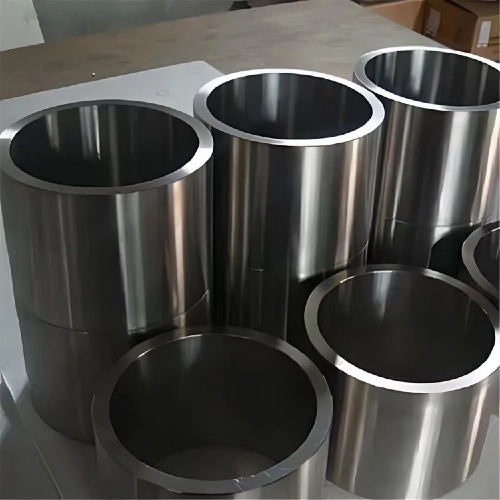
Choosing the right industrial tube is a crucial decision in industries where machinery and equipment must endure extreme pressures, temperatures, and loads. High-Strength Machinery Industrial Tubes are designed to meet these demanding conditions and provide long-lasting performance. In this article, we will explore how to choose the right high-strength tube for your specific needs, considering key factors such as material composition, strength requirements, application needs, manufacturing processes, and customization options.
Understanding the Importance of Choosing the Right High-Strength Machinery Industrial Tube
Industrial tubes play a critical role in numerous industries where machinery is subjected to significant stress. The proper choice of industrial tube ensures safety, longevity, and optimal performance of equipment. When it comes to high-strength machinery industrial tubes, choosing the right one can greatly impact the efficiency of hydraulic systems, construction machinery, automotive parts, and energy applications.
The Role of High-Strength Machinery Industrial Tubes
High-strength tubes are primarily used in applications requiring reliable, durable materials capable of withstanding high stress, extreme temperatures, and continuous mechanical forces. They are integral in systems that handle fluids, gases, or solids under pressure and in applications where components are exposed to heavy loads, such as in hydraulic systems, heavy machinery, and automotive systems. These tubes ensure smooth operation, minimize breakdowns, and reduce maintenance costs in critical machinery.
Why Choosing the Right Tube Matters
The right high-strength machinery industrial tube ensures that your machinery will perform optimally under extreme conditions. Choosing the wrong tube could lead to frequent failures, higher operational costs, and safety hazards. Therefore, understanding the factors that determine the suitability of a tube for your specific application is essential.
Key Factors to Consider When Choosing High-Strength Machinery Industrial Tubes
Selecting the correct high-strength tube is crucial for ensuring durability, performance, and safety. Several factors play a role in making the right choice. These factors include material composition, strength and durability requirements, environmental considerations, and the specific application needs of the tube.
1. Material Composition
The material used in high-strength tubes significantly influences their mechanical properties, such as tensile strength, yield strength, and fatigue resistance. Choosing the appropriate material depends on the specific demands of the application.
Common Materials Used for High-Strength Machinery Industrial Tubes
Material |
Properties |
Best Applications |
4130 Steel |
High tensile strength, impact resistance, fatigue resistance, and hardenability. |
Heavy machinery, hydraulic systems, automotive parts. |
Stainless Steel |
Corrosion-resistant, strong at high temperatures, excellent durability. |
Energy sector, food processing, marine applications. |
Carbon Steel |
Good tensile strength and toughness, but more prone to corrosion than stainless steel. |
Construction, automotive, and general machinery. |
Alloy Steel |
Combines metals like chromium, molybdenum for enhanced strength, wear resistance. |
High-pressure systems, energy production, aerospace. |
How Material Affects Tube Performance
4130 Steel: Known for its superior tensile strength and fatigue resistance, 4130 steel is ideal for applications where high mechanical forces are encountered, such as in hydraulic cylinders and heavy machinery. The steel is also easily weldable, which is advantageous in the manufacturing of custom components.
Stainless Steel: Excellent for corrosion resistance, stainless steel is perfect for industries like energy and food processing, where exposure to chemicals or moisture is common. It also maintains strength under high temperatures, making it suitable for heat exchangers and other high-heat applications.
2. Strength and Durability Requirements
Strength and durability are critical factors in selecting high-strength tubes, as they directly affect the tube's ability to withstand operational stress.
Tensile and Yield Strength
Tensile Strength: This refers to the maximum stress the tube can withstand before breaking. For high-strength tubes, the tensile strength should typically be 760 MPa or higher. This ensures that the tube can handle the mechanical forces it is subjected to without failure.
Yield Strength: Yield strength is the stress level at which the tube begins to permanently deform. High-strength tubes are designed to have a yield strength of 655 MPa or higher, making them ideal for systems that experience constant pressure and loading.
Impact Resistance
Impact resistance is another key property of high-strength tubes. These tubes are designed to withstand sudden forces, such as those experienced during the operation of hydraulic cylinders or machinery that operates in dynamic environments. High-strength tubes are often required to maintain impact resistance at temperatures as low as -40°C.
Pressure and Temperature Tolerance
High-strength tubes should be able to perform under high-pressure environments, such as in hydraulic systems and energy production. These tubes are typically rated to handle pressures up to 25 MPa or more. Additionally, they must perform efficiently at high temperatures (up to 400°C) or in extremely cold conditions.
3. Environmental Considerations
The environment in which the industrial tube will be used is crucial in determining the appropriate material and design. Various environmental factors affect the tube's performance and longevity.
Corrosion Resistance
Corrosion Resistance is a critical consideration when choosing a high-strength tube for applications exposed to moisture, chemicals, or harsh weather conditions. For example, stainless steel is highly resistant to corrosion and is often used in applications such as marine and chemical processing industries.
Temperature Extremes
Tubes used in environments with extreme temperature fluctuations need to be able to handle both high temperatures and low temperatures without failure. High-strength tubes are often designed to operate effectively in environments ranging from -40°C to 400°C, ensuring their reliability in both hot and cold settings.
Assessing Specific Application Needs for High-Strength Machinery Industrial Tubes
Each industry and application has unique requirements that need to be considered when selecting a high-strength tube. Below are key application areas for high-strength tubes, and how to choose the right tube based on these specific needs.
1. Hydraulic Systems
Hydraulic Tubes: Pressure and Load Considerations
High-strength tubes are essential in hydraulic systems that require tubes to carry high-pressure fluid. These systems are often used in construction machinery, automotive hydraulics, and mining equipment. The tubes need to withstand constant pressure and high mechanical loads without failing.
Key Requirements: Tubes must have high tensile strength, impact resistance, and the ability to handle constant pressure fluctuations.
Material Choice: 4130 Steel is often the best choice due to its high strength and fatigue resistance, ideal for heavy-duty applications.
2. Automotive and Heavy Machinery
Automotive and Machinery Components
In the automotive sector, high-strength tubes are used in suspension systems, exhaust systems, and chassis components, all of which must endure harsh mechanical forces. Similarly, in heavy machinery, components like hydraulic arms, pressure lines, and structural supports rely on strong, durable tubes.
Key Requirements: Impact resistance and fatigue resistance are vital for components that endure constant stress.
Material Choice: 4130 Steel is ideal for these applications due to its high strength and ability to handle shock loads.
3. Energy and Power Generation
Tubes for Heat Exchangers and Boilers
In the energy sector, high-strength tubes are used in systems like heat exchangers, boilers, and piping systems that operate under extreme temperatures and pressures. These tubes need to maintain their structural integrity under continuous heat cycles and high fluid pressures.
Key Requirements: Tubes must handle high-pressure steam, corrosion from harsh chemicals, and thermal expansion.
Material Choice: Stainless steel or alloy steel is often preferred for its high-temperature resistance and corrosion resistance.
Understanding Tube Manufacturing Processes and Their Impact on Quality
The manufacturing process plays a significant role in determining the quality of high-strength machinery industrial tubes. It’s important to understand how these processes affect the tube's performance.
1. Manufacturing Methods
Cold Drawing
Cold drawing is a process where the tube is pulled through a die to reduce its size and improve its dimensional accuracy and surface finish. This process increases the tube’s strength and hardness.
Heat Treatment
After cold drawing, the tube undergoes heat treatment (including quenching and tempering) to enhance its tensile strength and impact resistance. This is especially important for tubes that will be exposed to extreme conditions.
Surface Finishing
The tube’s surface can be treated through polishing, coating, or galvanizing to improve corrosion resistance and wear resistance, particularly for applications in harsh environments.
2. Tolerances and Quality Control
Tight dimensional tolerances ensure that high-strength tubes fit perfectly in the intended systems and are capable of withstanding the required forces.
Process |
Effect |
Cold Drawing |
Improves dimensional accuracy and surface finish. |
Heat Treatment |
Increases tensile strength and impact resistance. |
Surface Finishing |
Enhances corrosion resistance and wear resistance. |
Customization and Specific Solutions for Your Needs
Many industries require customized high-strength tubes tailored to meet specific operational requirements. Let's explore how customized solutions can ensure optimal performance in unique applications.
1. Custom Sizes and Specifications
Custom Tube Lengths and Diameters: High-strength tubes can be manufactured to specific lengths, diameters, and wall thicknesses to suit the needs of your machinery.
Tailored Material Grades: For some applications, custom materials may be needed to meet specific mechanical and environmental performance criteria.
2. Working with Manufacturers for Customized Solutions
Collaborating with experienced manufacturers can ensure that you get high-strength tubes designed to meet your specific requirements. Customized solutions not only enhance performance but also extend the lifespan of the machinery.
Conclusion
Choosing the right High-Strength Machinery Industrial Tube is essential for ensuring the durability, safety, and efficiency of machinery and equipment. At Suzhou Baoxin Precision Mechanical Co., Ltd., we understand the critical importance of selecting the perfect tube for your specific needs. By considering factors such as material composition, strength requirements, and application-specific demands, we ensure that our tubes meet the highest standards of performance.
Our high-strength tubes are designed to provide exceptional durability, impact resistance, and the ability to withstand extreme pressures and temperatures, making them ideal for a wide range of industrial applications. Whether you're working in hydraulics, heavy machinery, or energy production, our team is here to help guide you in selecting the right tube that will enhance the efficiency and longevity of your machinery.
To learn more about how our high-strength tubes can benefit your operations, or to discuss your unique requirements, please feel free to contact us. We offer tailored solutions and expert guidance to ensure the best fit for your needs.
FAQ
What is the difference between tensile strength and yield strength in high-strength tubes?
Tensile strength refers to the maximum force the tube can withstand before breaking, while yield strength is the stress at which the tube begins to permanently deform.
How do I choose the right material for my high-strength tube?
Choose materials like 4130 alloy steel for high strength and fatigue resistance, or stainless steel for corrosion resistance and high-temperature performance.
What industries use high-strength machinery industrial tubes?
High-strength tubes are widely used in industries like hydraulics, automotive, energy, and construction.
Can high-strength tubes be customized to fit specific applications?
Yes, manufacturers can provide custom sizes, diameters, and wall thicknesses to meet specific operational needs.


