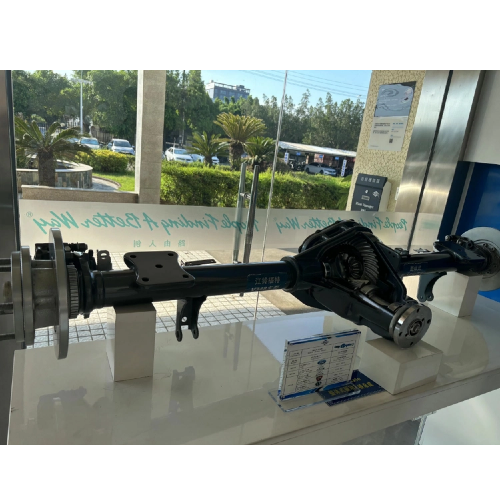
When it comes to enhancing the strength and stability of a vehicle, choosing the right Reinforced Auto Rear Beam Tube is crucial. This component plays a pivotal role in the suspension system, affecting not just vehicle handling and performance but also long-term durability and safety. Whether you're a vehicle manufacturer, aftermarket supplier, or individual looking to upgrade your vehicle, understanding the factors that contribute to selecting the right rear beam tube is essential.
In this comprehensive guide, we will explore everything you need to know about Reinforced Auto Rear Beam Tubes, including key factors to consider, manufacturing processes, the benefits of selecting the right tube, and how to find the right supplier for your needs.
Key Factors to Consider When Choosing a Reinforced Auto Rear Beam Tube
Choosing the right Reinforced Auto Rear Beam Tube involves several factors, each contributing to the tube's ability to withstand stress, improve vehicle performance, and ensure long-term reliability.
Material Strength & Quality
The material used in manufacturing the Reinforced Auto Rear Beam Tube is one of the most critical considerations. The strength of the material directly affects the tube's ability to handle the weight and stress it will endure in everyday driving conditions and extreme situations.
The most commonly used material for reinforced auto rear beam tubes is 16Mn alloy steel, which offers excellent strength, hardness, and resilience. This material is particularly effective at handling the heavy loads typical in automotive suspension systems, providing the necessary support for vehicles that need to carry or tow significant weight.
Benefits of Alloy Steel in Rear Beam Tubes:
Property | Impact on Vehicle Performance |
Tensile Strength | Ensures the tube can withstand high forces without breaking or deforming. |
Corrosion Resistance | Offers protection against environmental factors such as water, salt, and mud. |
Durability | Extends the service life of the rear beam tube, reducing the need for frequent replacements. |
While 16Mn alloy steel is highly recommended for most applications, alternative materials such as carbon steel and stainless steel may be used in specific conditions depending on vehicle requirements.
Load Capacity & Strength
The load capacity and strength of the Reinforced Auto Rear Beam Tube are crucial for ensuring the vehicle can operate efficiently under heavy loads. Whether you're driving in rough terrains, towing heavy trailers, or handling high-performance driving, the rear beam tube must be strong enough to handle dynamic loads without bending or breaking.
When selecting the right rear beam tube, make sure to verify the tube’s maximum load capacity, which is typically specified by the manufacturer in kilonewtons (kN). This ensures that the tube is capable of handling the vehicle's weight, payload, and any additional forces caused by acceleration, braking, or turning.
For example, heavy-duty vehicles like trucks and SUVs require tubes with higher load-bearing capacities than lighter sedans or sports cars.
Compatibility with Vehicle Type
It's important to choose a Reinforced Auto Rear Beam Tube that is compatible with the vehicle type. Different vehicles have different suspension systems, weight distribution, and performance needs, which makes it essential to select a tube that matches the specific requirements.
When considering compatibility, take the following into account:
Vehicle Type | Rear Beam Tube Specifications |
Sedans & Hatchbacks | Lighter, smaller tubes with standard load capacities. |
SUVs & Crossovers | Moderate load-bearing tubes designed for off-road capabilities. |
Trucks & Heavy Vehicles | High-strength, reinforced tubes that can handle heavy-duty tasks. |
Customizing the tube to fit the suspension design, wheelbase, and other vehicle features ensures optimum performance and stability.
Corrosion Resistance & Durability
Corrosion is one of the biggest threats to the longevity of any automotive component, and rear beam tubes are no exception. Given that rear beam tubes are often exposed to harsh environmental conditions such as road salt, water, and mud, selecting a tube with superior corrosion resistance is crucial.
The Reinforced Auto Rear Beam Tube should undergo surface treatment such as hot-dip galvanizing or powder coating to protect it from corrosion. These treatments enhance the tube’s ability to withstand prolonged exposure to moisture, preventing rust and ensuring it maintains its strength over time.
Benefits of Corrosion-Resistant Coatings:
Coating Type | Corrosion Protection | Suitability |
Hot-Dip Galvanizing | Provides a thick, protective layer that resists rust. | Ideal for vehicles exposed to high humidity or road salt. |
Powder Coating | Offers a smooth finish that resists chipping and peeling. | Suitable for vehicles operating in moderate climates. |
Customizability and Manufacturing Options
In some cases, vehicle manufacturers or aftermarket suppliers may need a Reinforced Auto Rear Beam Tube that is customized to meet specific requirements. This includes factors like diameter, wall thickness, and length.
Custom sizes are crucial for vehicles with unique suspension designs or for aftermarket upgrades where standard sizes may not be sufficient. Many suppliers provide options for tailored manufacturing, allowing customers to choose specifications that align perfectly with their vehicle’s needs.
The ability to customize ensures that the rear beam tube performs optimally under different driving conditions, increasing both vehicle safety and handling.
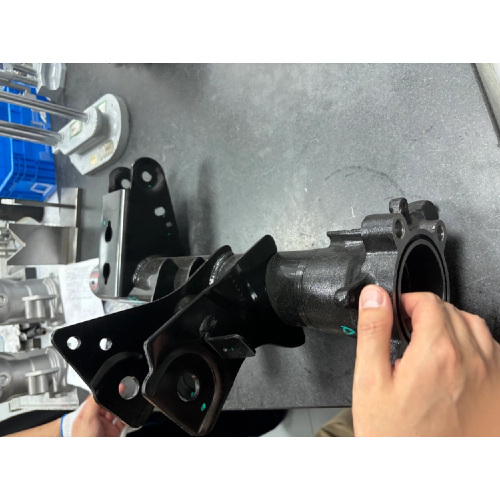
The Manufacturing Process of Reinforced Auto Rear Beam Tubes
Understanding how Reinforced Auto Rear Beam Tubes are made can help you assess the quality of the product and choose the best option for your needs.
Production Methods
The manufacturing of rear beam tubes typically involves two common methods: cold drawing and hot extrusion.
Cold Drawing: This process involves pulling the material through a die to reduce its diameter and thickness while maintaining its mechanical properties. This method is typically used for producing tubes with smaller diameters and higher precision.
Hot Extrusion: In this process, the material is heated to a high temperature and then forced through a mold. This method is suitable for producing tubes with larger diameters and thicker walls, commonly used in heavy-duty applications.
Quality Control Measures
To ensure the Reinforced Auto Rear Beam Tube meets the required specifications, quality control plays a significant role during manufacturing. Several checks are performed at different stages of production to guarantee the tube’s strength, durability, and safety.
Key quality control measures include:
Tensile Strength Testing: Ensures the tube can withstand stretching and pulling forces.
Bend Testing: Verifies the tube’s ability to resist deformation under bending forces.
Load Testing: Simulates real-world conditions to test the tube's load-bearing capacity.
These tests ensure that the rear beam tube is fit for purpose and will perform optimally in real-world conditions.
Benefits of Choosing the Right Reinforced Auto Rear Beam Tube
Selecting the right Reinforced Auto Rear Beam Tube has a range of benefits for both vehicle manufacturers and end-users.
Enhanced Vehicle Stability
A properly selected and installed Reinforced Auto Rear Beam Tube improves vehicle stability by maintaining the correct alignment and handling characteristics of the rear suspension system. This leads to better driving dynamics, especially in challenging conditions like off-roading or heavy towing.
Improved Safety
A reinforced tube can significantly enhance the safety of a vehicle by providing extra structural support. It reduces the likelihood of suspension system failure, especially under heavy load or extreme driving conditions, preventing accidents and ensuring the safety of the passengers.
Extended Vehicle Lifespan
The durability of the Reinforced Auto Rear Beam Tube, particularly when coated with corrosion-resistant materials, helps extend the lifespan of the entire vehicle. By preventing rust and maintaining structural integrity, the rear beam tube ensures the suspension system continues to perform well throughout the vehicle's lifespan.
Cost-Effectiveness
Investing in a high-quality Reinforced Auto Rear Beam Tube may cost more upfront, but the long-term benefits are significant. These include fewer replacements, reduced maintenance costs, and fewer chances of expensive suspension repairs.
How to Choose the Right Supplier for Reinforced Auto Rear Beam Tubes
Finding a reliable supplier for Reinforced Auto Rear Beam Tubes is essential for ensuring you get high-quality, durable products that meet your needs.
Reputation and Experience
Choose a supplier with a solid reputation in the industry and experience in producing Reinforced Auto Rear Beam Tubes. A supplier with years of experience is more likely to understand the nuances of different vehicle types and provide products that meet the highest standards.
Customer Service and Support
A supplier that offers excellent customer service can help guide you through the selection process, answer technical questions, and provide post-sale support. Good customer service also includes clear communication about shipping times, warranty policies, and product customization options.
Price vs Quality
While it may be tempting to opt for cheaper options, the key is to balance price with quality. Opt for suppliers that offer competitive pricing without compromising on the strength, durability, or customization of the Reinforced Auto Rear Beam Tube.
Global Reach and Availability
Choosing a supplier with a broad distribution network and the ability to ship internationally ensures that you can easily obtain the required products, even if you are located outside of the manufacturer's country.
Conclusion
Choosing the right Reinforced Auto Rear Beam Tube is crucial for ensuring the safety, performance, and longevity of your vehicle. Whether you're a vehicle manufacturer, aftermarket supplier, or end-user, understanding key factors such as material strength, load capacity, compatibility, and corrosion resistance is essential. These considerations ensure that the rear beam tube can withstand the demands of various driving conditions and enhance the overall performance of your vehicle’s suspension system.
At Suzhou Baoxin Precision Mechanical Co., Ltd., we specialize in high-quality, customized Reinforced Auto Rear Beam Tubes designed to meet the specific needs of your vehicle. Our advanced manufacturing processes and commitment to durability ensure that every product we deliver meets the highest standards of performance and reliability.
For more information or to discuss your specific requirements, we invite you to contact us directly. Our team is ready to assist you in finding the perfect solution for your automotive needs, ensuring optimal suspension performance and long-lasting durability. Let us help you keep your vehicles running smoothly for years to come.
FAQ
1. What material is the best for a reinforced auto rear beam tube?
The best material is typically 16Mn alloy steel, known for its high strength, corrosion resistance, and durability in handling heavy loads.
2. How do I know which size rear beam tube I need for my vehicle?
The size of the rear beam tube depends on the vehicle type, weight distribution, and suspension design. Manufacturers or aftermarket suppliers can help you select the correct size based on these factors.
3. Why is corrosion resistance important for a rear beam tube?
Corrosion resistance is vital because the rear beam tube is exposed to harsh environmental conditions such as water, salt, and road debris. A corrosion-resistant tube lasts longer and maintains its strength.
4. Can I customize the rear beam tube for my vehicle?
Yes, many suppliers offer customization options for tube diameter, wall thickness, and length, allowing you to tailor the rear beam tube to your specific vehicle needs.


