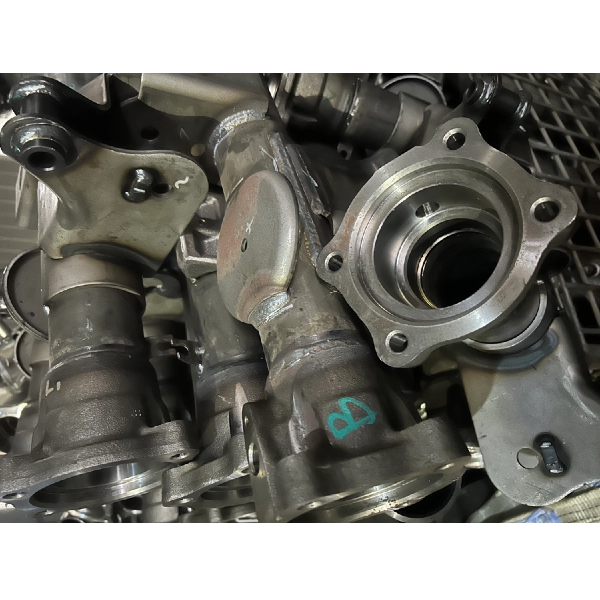
In modern automotive manufacturing, the Reinforced Auto Rear Beam Tube plays an essential role in ensuring the safety, stability, and overall performance of vehicles. This component is an integral part of the suspension system, providing structural integrity to the rear of the vehicle and significantly contributing to crashworthiness. This article will explore the Reinforced Auto Rear Beam Tube, its importance in vehicle safety, its role in crash protection, and the factors that influence its performance.
1. Importance of the Reinforced Auto Rear Beam Tube in Vehicle Safety
The Reinforced Auto Rear Beam Tube is a crucial component that significantly contributes to a vehicle’s strength and safety. Positioned within the rear suspension system, it plays a vital role in supporting various suspension components, absorbing shocks, and distributing forces during both normal driving and in the event of a collision. Designed to handle heavy loads and withstand high-impact forces, these tubes prevent failure in critical situations, such as accidents. As vehicle manufacturing advances and safety regulations become stricter, reinforced rear beam tubes continue to evolve, providing enhanced performance, durability, and structural integrity. Their role in ensuring passenger safety, improving vehicle handling, and supporting the overall suspension system makes them indispensable in modern automotive design.
2. Understanding the Reinforced Auto Rear Beam Tube
Before diving deeper into the role of Reinforced Auto Rear Beam Tubes in vehicle safety, it is essential to understand what they are, their components, and how they function within the vehicle.
What is a Reinforced Auto Rear Beam Tube?
A Reinforced Auto Rear Beam Tube is a structural element that is part of a vehicle's rear suspension system. It is typically made of high-strength steel or alloy material and is designed to provide support and stability to the rear of the vehicle. The tube connects various suspension components and helps to manage the forces acting on the suspension system during everyday driving, as well as in extreme conditions, including crashes.
These tubes are referred to as "reinforced" because they are designed to withstand more stress and load compared to non-reinforced tubes. They play a vital role in reducing the risk of suspension failure, which could result in a loss of control and potential accidents.
Key Functions of the Rear Beam Tube:
Function | Description |
Support for Suspension | Provides a solid base for suspension components such as control arms and shock absorbers. |
Load-Bearing Capacity | Ensures the vehicle can carry heavy loads without compromising performance. |
Enhancing Stability | Helps maintain alignment and reduces the risk of suspension failure. |
Material Properties and Specifications
The materials used in the production of Reinforced Auto Rear Beam Tubes are essential to their strength, durability, and safety performance. Typically, high-strength steels such as 16Mn alloy steel are used due to their superior tensile strength, ability to withstand impact, and resistance to corrosion. The choice of material directly affects the tube’s ability to handle heavy loads, absorb impact, and resist deformation under stress.
Material | Properties | Application |
16Mn Alloy Steel | High tensile strength, good weldability, and corrosion resistance. | Used in reinforced auto rear beam tubes for heavy-duty vehicles. |
Stainless Steel | Corrosion-resistant, durable under high stress. | Used for vehicles in harsh environmental conditions. |
Carbon Steel | Cost-effective and strong, but prone to corrosion without coating. | Used in standard vehicles requiring moderate strength. |
3. How Reinforced Auto Rear Beam Tubes Contribute to Vehicle Safety
The Reinforced Auto Rear Beam Tube is directly tied to vehicle safety, providing structural support, stability, and helping to absorb impact forces during a collision. Let’s look at how these tubes contribute to overall vehicle safety.
Ensuring Structural Integrity
One of the primary functions of the Reinforced Auto Rear Beam Tube is to maintain the structural integrity of the vehicle. The tube acts as a key component that supports various suspension parts, preventing them from dislocating or failing under pressure. By distributing the forces generated by the road and load conditions evenly across the suspension system, the tube ensures the vehicle maintains its structural alignment, even in extreme conditions.
In the event of a collision, the Reinforced Auto Rear Beam Tube helps absorb and distribute impact forces, preventing excessive deformation. This is crucial for preventing the failure of critical suspension components and minimizing damage to the vehicle’s chassis.
Impact on Vehicle Stability and Handling
The Reinforced Auto Rear Beam Tube plays a vital role in maintaining the vehicle’s stability, particularly when it comes to handling and control. It helps manage the distribution of weight across the rear suspension system, ensuring that the rear axle is aligned and properly supported. This enhances the vehicle’s balance during turns, braking, and acceleration, reducing the risk of instability and improving driver control.
A stable suspension system is critical for handling, especially in emergency maneuvers or sudden directional changes. The rear beam tube ensures that the suspension remains intact, even under stress, which is crucial for maintaining control and avoiding accidents.
Reducing Suspension Failure Risks
A reinforced rear beam tube significantly reduces the risk of suspension system failure, particularly in high-load conditions or when the vehicle encounters rough terrain. Without a strong and reinforced rear beam tube, the suspension could fail under the vehicle's weight, causing loss of control and potentially leading to an accident. The Reinforced Auto Rear Beam Tube acts as a safeguard, ensuring the suspension remains intact even under heavy loads or when subjected to impacts during driving.
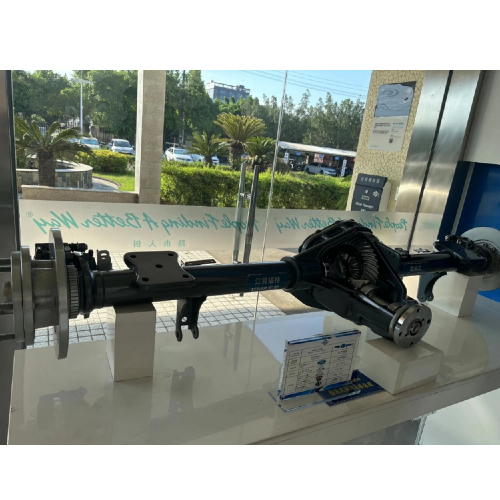
4. The Role of Reinforced Auto Rear Beam Tubes in Crash Safety
In addition to enhancing the vehicle’s overall stability and load-bearing capacity, Reinforced Auto Rear Beam Tubes play a critical role in improving crash safety. These tubes are specifically designed to absorb impact forces during collisions and work in conjunction with other safety features to protect the vehicle occupants.
Crash Protection and Energy Absorption
One of the key roles of the Reinforced Auto Rear Beam Tube is its ability to absorb and distribute impact forces during a crash. During a collision, energy from the impact is transferred to various parts of the vehicle. The rear beam tube helps absorb some of this energy, reducing the amount of force transferred to the vehicle’s chassis and interior components. This can help mitigate the effects of the crash on the passengers and reduce the severity of injuries.
How the Tube Absorbs Impact:
Deformation: The tube deforms in a controlled manner during a collision, absorbing some of the kinetic energy from the impact.
Energy Distribution: The reinforced design allows for more even distribution of the crash forces, preventing concentrated damage to one area.
Collaboration with Other Safety Features
The Reinforced Auto Rear Beam Tube works together with other safety features like crumple zones, airbags, and seatbelts to protect passengers during a crash. While crumple zones deform during an impact to absorb energy, the rear beam tube helps maintain the integrity of the rear suspension system and ensures that the vehicle remains stable. This integration of components enhances the overall safety of the vehicle during a crash.
5. Factors That Affect the Safety Performance of Reinforced Auto Rear Beam Tubes
Several factors influence the safety performance of the Reinforced Auto Rear Beam Tube, including material selection, tube thickness, reinforcement levels, and manufacturing processes. Let’s examine how these elements impact the tube’s ability to perform in various conditions.
Material Selection
The material used in manufacturing the rear beam tube is one of the most significant factors in its ability to perform safely. 16Mn alloy steel is commonly used for its strength, flexibility, and resistance to corrosion. Stronger materials allow the rear beam tube to better withstand the forces experienced during driving and collisions, ensuring better protection for the vehicle’s suspension system and passengers.
Tube Thickness and Reinforcement
The thickness and reinforcement of the rear beam tube are directly related to its ability to withstand load and impact. A thicker tube generally provides more strength, making it more suitable for vehicles that carry heavy loads or operate in demanding conditions. Custom reinforcement techniques such as double welding and additional plating are used to further enhance the strength and performance of the rear beam tube.
Manufacturing Processes
The manufacturing processes used to produce the Reinforced Auto Rear Beam Tube also influence its safety performance. Processes such as cold drawing, hot extrusion, and laser welding ensure that the tube meets high-quality standards and can perform optimally in demanding environments. Advanced manufacturing techniques ensure that the tube has consistent strength and resistance to deformation, crucial for maintaining safety during collisions.
6. Testing and Standards for Reinforced Auto Rear Beam Tubes
The safety performance of the Reinforced Auto Rear Beam Tube is rigorously tested to ensure it meets the required standards. These tests assess the tube's ability to withstand tensile strength, impact, and load-bearing capacity.
Safety Testing Procedures
Testing procedures for Reinforced Auto Rear Beam Tubes include:
Tensile Strength Testing: Measures the tube’s ability to withstand stretching or pulling forces without breaking.
Load-Bearing Testing: Ensures the tube can support the weight of the vehicle and resist deformation under heavy loads.
Crash Simulations: Conducts impact tests to evaluate the tube’s ability to absorb and distribute energy during a crash.
Industry Standards and Certifications
The safety and quality of Reinforced Auto Rear Beam Tubes are governed by industry standards such as SAE J1981 and ISO 9001. These certifications ensure that the tubes meet specific performance requirements and are suitable for use in vehicles. Compliance with these standards is critical for maintaining safety and ensuring that the rear beam tubes perform optimally in real-world conditions.
7. Conclusion
The Reinforced Auto Rear Beam Tube plays a critical role in ensuring vehicle safety, significantly contributing to structural integrity, load-bearing capacity, and crash protection. Positioned within the suspension system, it provides essential support, stability, and protection during both everyday driving and in extreme conditions, such as accidents. The material selection, reinforcement, and manufacturing processes are key factors that influence the tube's performance and safety. By choosing the right Reinforced Auto Rear Beam Tube, vehicle manufacturers can enhance vehicle performance and ensure passenger safety.
At Suzhou Baoxin Precision Mechanical Co., Ltd., we specialize in producing high-quality Reinforced Auto Rear Beam Tubes tailored to meet the specific needs of various vehicle types. With our advanced manufacturing techniques and use of superior materials, we ensure that each tube provides maximum performance, durability, and safety. Whether you are a vehicle manufacturer or looking for custom solutions, our team is ready to assist you in selecting the perfect rear beam tube for your needs. Contact us today to learn more about how we can help improve your vehicle’s safety and performance.
8. FAQ
1. What is the purpose of a reinforced auto rear beam tube?
A Reinforced Auto Rear Beam Tube supports the suspension system of a vehicle, enhancing stability, reducing the risk of suspension failure, and absorbing impact forces during a crash.
2. How do reinforced auto rear beam tubes improve vehicle safety?
These tubes improve safety by maintaining structural integrity during collisions, distributing impact forces evenly, and preventing damage to critical suspension components.
3. What materials are used for reinforced auto rear beam tubes?
Common materials include 16Mn alloy steel for its high tensile strength, corrosion resistance, and durability. Other materials such as carbon steel and stainless steel may also be used for specific applications.
4. How do manufacturers test the safety of reinforced auto rear beam tubes?
Manufacturers conduct tensile strength testing, load-bearing tests, and crash simulations to ensure that the rear beam tubes meet safety standards and can withstand real-world conditions.
5. Can I customize a reinforced auto rear beam tube for my vehicle?
Yes, reinforced auto rear beam tubes can be customized in terms of material, thickness, and reinforcement levels to meet the specific requirements of different vehicle types and performance needs.


