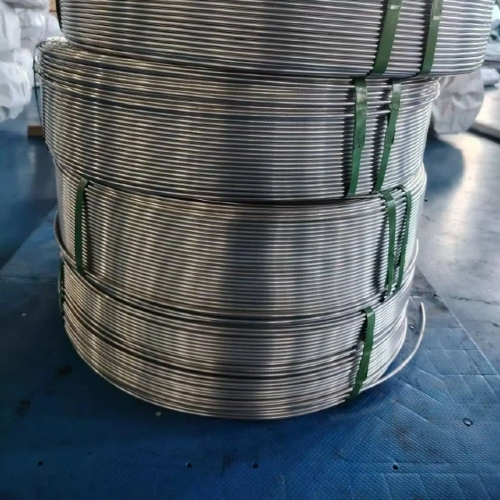
Fin tubes are an integral component in a wide variety of heat exchange applications. These specially designed tubes are used in industrial processes where efficient heat transfer is necessary. The core function of a fin tube is to enhance heat exchange by increasing the surface area of the tube, which enables better heat transfer between fluids and the surrounding environment.
In this article, we will explore what fin tubes are used for, examining their applications in different industries such as HVAC systems, boilers, cooling systems, automotive radiators, and more. Understanding the role and importance of fin tubes in heat transfer systems will help industries optimize their operations and improve energy efficiency.
1. What Are Fin Tubes?
Definition of Fin Tubes
A fin tube is a type of heat transfer tube with fins attached to its surface, designed to increase the surface area available for heat exchange. The primary function of the fins is to improve the efficiency of heat transfer by enabling better interaction between the fluid inside the tube and the surrounding medium (either air or another fluid). This makes finned tubes essential in applications where heat needs to be transferred rapidly and efficiently.
Components of a Fin Tube
A fin tube consists of two main components:
The Tube: This is the part that carries the fluid, which is typically a liquid or gas. The material used for the tube is chosen based on the thermal and mechanical properties required for the specific application. Common materials include carbon steel, stainless steel, and copper.
The Fins: These are attached to the outer surface of the tube and are responsible for increasing the surface area for heat exchange. The fins are often made of high-thermal-conductivity materials such as aluminum, copper, or stainless steel, depending on the specific heat transfer requirements and environmental conditions.
2. Heat Transfer Applications
Heat Exchangers
One of the primary applications of fin tubes is in heat exchangers. Heat exchangers are used to transfer heat between two or more fluids at different temperatures. The increased surface area provided by the finned tube allows for more efficient heat transfer between the fluids. The more surface area there is, the greater the amount of heat that can be transferred.
In industries such as power generation, chemical processing, and oil refining, finned tubes are used in heat exchangers to improve the overall efficiency of the system. The two main types of heat exchangers that use finned tubes are:
Air-cooled heat exchangers: In these systems, finned tubes are used to enhance the heat transfer from the fluid inside the tube to the surrounding air.
Liquid-cooled heat exchangers: In these systems, finned tubes help transfer heat from the fluid inside the tube to another liquid or coolant.
Boilers and Furnaces
Finned tubes are also extensively used in boilers and furnaces. These devices are responsible for heating water or other fluids in a controlled environment to generate steam or heat. Finned tubes improve the heat transfer efficiency between the hot gases and the fluid, allowing boilers and furnaces to operate at higher efficiencies.
Boilers: In a boiler, finned tubes are used to enhance the heat transfer between the hot gases produced by burning fuel and the water circulating in the system.
Furnaces: Similarly, in a furnace, finned tubes are used to optimize the heat exchange between the hot gases and the fluid being heated.
By improving the heat transfer process, finned tubes help reduce energy consumption and increase the overall efficiency of boilers and furnaces, making them essential components in these systems.
3. Cooling Systems
Air-Cooled Systems
Finned tubes are commonly used in air-cooled systems, which are designed to dissipate heat by transferring it to the surrounding air. These systems are widely used in industrial applications where air is available as a coolant. Examples include cooling systems for machinery, refrigeration units, and heat exchangers.
The finned tubes in air-cooled systems work by allowing the fluid inside the tube to release heat to the air flowing over the fins. The fins, which are made of materials with high thermal conductivity like aluminum, help dissipate the heat efficiently. The larger the surface area of the fins, the more effective the heat dissipation process becomes.
Liquid-Cooled Systems
In liquid-cooled systems, finned tubes are used to transfer heat from a hot fluid to a cooler liquid, typically water or another coolant. These systems are used in a variety of applications, including automotive radiators, industrial cooling systems, and heat recovery systems.
In liquid-cooled systems, the finned tubes serve as an effective medium for transferring heat from the hot fluid to the cooler liquid. The fins on the tube enhance the heat transfer process, ensuring that the fluid is cooled effectively and that the system operates at optimal efficiency.
4. Automotive and Industrial Applications
Automotive Radiators
In the automotive industry, finned tubes are used in radiators to dissipate heat from the engine coolant and maintain the engine temperature within safe limits. The radiator typically uses finned tubes that allow air to pass through the fins, which help in cooling the engine by transferring heat away from the coolant.
Finned tubes help improve the efficiency of the radiator by increasing the surface area for heat exchange, allowing the coolant to cool more quickly and preventing the engine from overheating. This is especially important in modern vehicles that operate under high performance and need efficient cooling systems.
Industrial Equipment
In industrial settings, finned tubes are used in cooling and heat dissipation systems for machinery, such as compressors, engines, and turbines. These tubes are particularly useful in preventing overheating and improving the performance of industrial equipment by maintaining an optimal temperature.
By ensuring efficient heat transfer and preventing excessive heat buildup, finned tubes help improve the longevity and performance of industrial equipment. They are used in a variety of sectors, including manufacturing, petrochemicals, and power generation.
5. Oil & Gas Industry
Finned tubes are widely used in the oil and gas industry in applications where heat transfer is crucial. These include heat exchangers, cooling systems, and boilers. The oil and gas industry often requires high-efficiency heat exchangers due to the high temperatures and pressures involved in the extraction and refining processes.
In this industry, finned tubes are essential for maintaining the temperature of various fluids and gases. The efficient heat exchange provided by finned tubes ensures that these systems operate at optimal temperatures, reducing the risk of overheating and improving overall system performance.
6. Benefits of Using Fin Tubes
1. Enhanced Heat Transfer Efficiency
The primary benefit of using finned tubes is the significant increase in heat transfer efficiency. By increasing the surface area available for heat exchange, finned tubes allow for more efficient heat dissipation or absorption. This is especially important in applications where maintaining temperature is critical to system performance.
2. Compact and Space-Efficient Design
Finned tubes provide a compact design that maximizes heat transfer without requiring large or bulky equipment. This space-saving design is particularly useful in applications where space is limited but high performance is still required.
3. Energy Efficiency
Finned tubes help improve the energy efficiency of heat transfer systems. By facilitating better heat exchange, they reduce the need for larger systems and allow for better use of energy resources. This leads to cost savings and reduced energy consumption over time.
4. Durability and Reliability
Finned tubes are designed to withstand high temperatures, pressures, and harsh environments. Depending on the materials used, they can have an extended lifespan and provide reliable performance under demanding conditions, making them ideal for use in high-performance systems.
7. Maintenance of Finned Tubes
To ensure that finned tubes continue to perform efficiently, proper maintenance is essential. Regular maintenance tasks include:
1. Cleaning
Cleaning the fins of finned tubes is necessary to prevent debris and contaminants from building up, which can reduce heat transfer efficiency. For air-cooled systems, cleaning is typically done using compressed air, brushes, or cleaning agents. For liquid-cooled systems, flushing the tubes with water or chemicals can help remove blockages.
2. Inspection
Routine inspections should be carried out to detect any signs of corrosion, wear, or physical damage to the fins or tube. If defects are found, they should be addressed immediately to avoid a decrease in performance.
3. Corrosion Protection
Depending on the application, finned tubes may need additional protection against corrosion, especially in harsh environments like marine or industrial applications. Coating the fins with protective materials or using corrosion-resistant materials in the construction of the tube can extend the lifespan of the finned tube.
8. Material Selection for Finned Tubes
The materials used for both the tube and the fins are essential for ensuring optimal heat transfer and durability. The table below provides a comparison of common materials used in the construction of finned tubes, highlighting their advantages and potential applications:
Material | Common Use | Advantages | Disadvantages |
Carbon Steel | Standard industrial applications, non-corrosive environments | Cost-effective, strong, durable | Susceptible to corrosion in harsh environments |
Stainless Steel | High-temperature and corrosive environments | Corrosion-resistant, strong, durable | More expensive than carbon steel |
Copper | Heat exchangers, high-efficiency applications | Excellent thermal conductivity, corrosion-resistant | Higher cost, less durable in high-pressure systems |
Aluminum | Air-cooled systems, lightweight applications | Lightweight, excellent corrosion resistance | Lower strength compared to steel, less durable at high pressures |
9. Conclusion
In conclusion, finned tubes are essential for optimizing heat transfer systems across a variety of industries. Whether in heat exchangers, boilers, cooling systems, or automotive radiators, finned tubes enhance heat exchange efficiency and help maintain equipment at optimal temperatures. By choosing the right finned tube for your specific application and ensuring proper maintenance, industries can improve energy efficiency, reduce operating costs, and extend the lifespan of their systems.
At Suzhou Baoxin Precision Mechanical Co., Ltd., we specialize in providing high-quality finned tubes tailored to meet the unique needs of your heat transfer systems. Our expertise and commitment to precision ensure that we deliver solutions designed for maximum performance and durability. If you're looking to optimize your heat transfer systems or need advice on selecting the ideal finned tube for your application, we are here to assist you. Contact us today to learn more about our products and how we can help improve your system's efficiency.
10. FAQ
1. What materials are typically used to make finned tubes?
Common materials for finned tubes include carbon steel, stainless steel, copper, and aluminum. The choice of material depends on the application’s requirements for temperature, pressure, and corrosion resistance.
2. How are fins attached to the tube?
Fins are typically attached to the tube using welding, mechanical bonding (expanding, coiling, press fitting), or brazing. The attachment method depends on the desired strength, durability, and efficiency of the heat transfer.
3. What is the difference between spiral and straight finned tubes?
In spiral finned tubes, the fins are wound around the tube in a helical pattern, which promotes better airflow and heat transfer. Straight finned tubes have fins attached parallel to the tube, making them easier to manufacture and ideal for liquid-cooled applications.
4. How are finned tubes tested for quality?
Finned tubes undergo various tests, including pressure testing, heat transfer efficiency testing, and visual inspections, to ensure they meet performance standards and are free from defects.
5. What industries use finned tubes?
Finned tubes are used in a variety of industries, including HVAC, boilers, oil and gas, power generation, and automotive applications, to improve heat transfer efficiency in cooling and heating systems.


