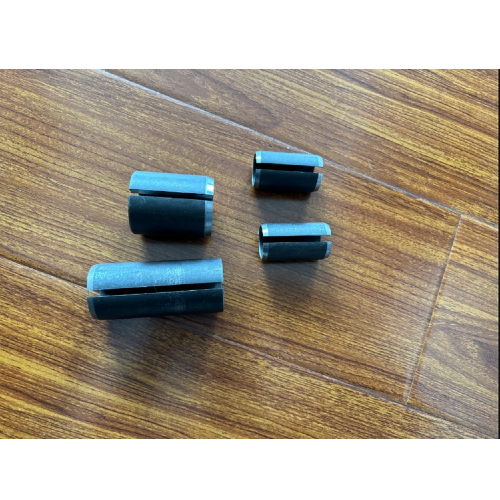
Industrial tubes play a crucial role in numerous sectors, from hydraulic systems to the automotive industry, where durability and strength are paramount. Among the various types of industrial tubes, High-Strength Machinery Industrial Tubes stand out due to their exceptional mechanical properties. These tubes are engineered to perform under extreme conditions, offering superior tensile strength, resistance to high pressure, and reliability in critical machinery applications. In this article, we will delve into what industrial tubes are used for, with a specific focus on High-Strength Machinery Industrial Tubes, and explore their essential applications, features, and benefits.
Understanding Industrial Tubes and Their Importance
What Are Industrial Tubes?
Industrial tubes are hollow cylinders made from various materials, including metals like steel, stainless steel, and alloys, as well as plastics and composites. These tubes are used to transport fluids, gases, or solids, and also serve as structural components in machinery. Industrial tubes are manufactured to withstand significant mechanical forces, corrosion, temperature extremes, and pressure, making them essential components in many industries.
Significance of High-Strength Machinery Industrial Tubes
Among the many types of industrial tubes, High-Strength Machinery Industrial Tubes are designed for heavy-duty applications. These tubes are crafted from high-quality materials such as 4130 alloy steel, known for its excellent strength, fatigue resistance, and impact toughness. The superior mechanical properties of high-strength tubes allow them to be used in industries that require extreme performance, such as construction, energy production, and automotive sectors.
Key Applications of Industrial Tubes
Industrial tubes are used in a wide variety of applications, where their strength, flexibility, and durability are critical. Let's explore some of the key sectors where High-Strength Machinery Industrial Tubes play a pivotal role.
1. Hydraulic Systems
Hydraulic systems are an essential part of machinery in industries such as construction, mining, and manufacturing. High-Strength Machinery Industrial Tubes are widely used in hydraulic cylinders, fluid lines, and pumps due to their ability to withstand high pressures and extreme conditions.
Hydraulic Applications of High-Strength Tubes:
Component | Function |
Hydraulic Cylinders | Used to convert hydraulic energy into mechanical force for lifting and moving heavy loads. |
Hydraulic Pumps | Move pressurized fluid through the system to power various functions, including lifting and rotating. |
Fluid Lines | Carry pressurized hydraulic fluid between different components of the hydraulic system. |
High-strength tubes ensure that hydraulic systems remain operational under extreme pressure, providing the necessary power for machinery such as excavators, cranes, and press machines. Without the durability of these tubes, hydraulic systems would be prone to failures, leading to costly repairs and downtime.
2. Heavy Machinery
In heavy-duty industries like construction, mining, and agriculture, machinery is subjected to tremendous loads and stress. High-strength industrial tubes are used in the structural components of machines that must endure heavy forces and extreme operating conditions.
Heavy Machinery Applications:
Machine Type | Use of High-Strength Tubes |
Excavators | Tubes used in hydraulic arms, pressure lines, and joints. |
Bulldozers | Tubes support structural components and hydraulic systems for moving earth. |
Cranes | High-strength tubes are used in the boom and lifting arm systems. |
These tubes provide both structural integrity and safety, ensuring that machines remain functional even under the harshest conditions, such as operating in extreme heat, moisture, and dust.
3. Automotive Industry
The automotive industry relies on high-strength tubes for various structural and fluid transmission applications. From the chassis to exhaust systems, high-strength tubes ensure the vehicles perform efficiently and safely.
Automotive Applications of High-Strength Tubes:
Component | Function |
Exhaust Systems | Tubes are used to carry exhaust gases from the engine to the tailpipe. |
Suspension Systems | High-strength tubes are used in suspension arms and shock absorbers for load-bearing capacity. |
Fuel Lines | Ensure fuel is transported safely and reliably under pressure to the engine. |
In the automotive sector, the high tensile and yield strength of High-Strength Machinery Industrial Tubes allow these vehicles to perform at their best, even under high-stress and high-temperature conditions. Without strong and durable tubes, critical components like the fuel system and exhaust systems would fail prematurely.
4. Energy Sector
In the energy sector, particularly in power plants, oil rigs, and refineries, the demand for durable, high-performance tubes is even more significant. These industries rely on industrial tubes to transport steam, gases, and fluids at high pressures and temperatures.
Energy Applications:
Component | Function |
Boilers | Tubes carry water or steam through the system to generate power. |
Heat Exchangers | Tubes allow heat to transfer between two fluids without them mixing, improving efficiency. |
Piping Systems | Used for transporting natural gas, oil, and other fluids under high pressure. |
High-strength tubes used in these industries are critical in maintaining operational efficiency while reducing the risk of corrosion, pressure loss, and catastrophic failure.
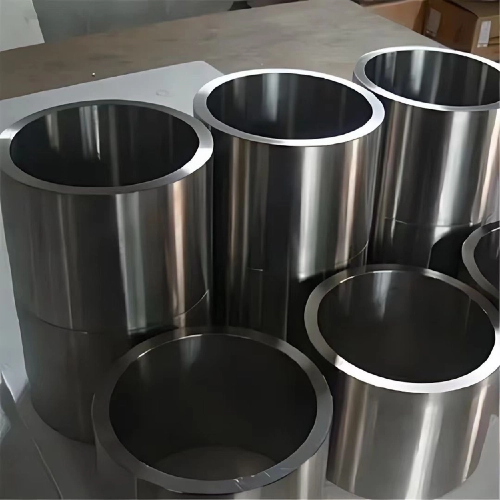
Key Features of High-Strength Machinery Industrial Tubes
High-strength machinery industrial tubes are designed with specific features to handle the demands of heavy-duty applications. Let's look at the key features that make these tubes stand out in industrial environments.
1. Material Composition
The material used in manufacturing high-strength machinery industrial tubes is crucial for their strength and durability. Most high-strength tubes are made from 4130 alloy steel, which contains chromium and molybdenum. This combination enhances the steel's hardenability, tensile strength, impact toughness, and resistance to fatigue.
Material | Properties |
4130 Steel | Excellent tensile strength, fatigue resistance, impact toughness, and hardenability. |
1020 Steel | Used for general purposes but lacks the superior strength of higher alloy steels. |
Alloy Steel | Combines various metals to balance strength, flexibility, and corrosion resistance. |
The strength provided by the alloy steel used in high-strength tubes ensures that they perform optimally in high-pressure, high-temperature environments.
2. Manufacturing Process
The manufacturing process for these tubes is vital in determining their mechanical properties. Some key processes involved include:
Cold Drawing: This method reduces the tube's size and improves its dimensional accuracy, making it suitable for precise applications.
Heat Treatment: Tubes are subjected to quenching and tempering to increase their hardness and toughness, enhancing their strength.
Surface Finishing: Tubes are polished and sometimes coated to improve resistance to wear and corrosion.
Process | Effect |
Cold Drawing | Improves dimensional accuracy and surface finish. |
Heat Treatment | Enhances hardness, toughness, and overall strength. |
Surface Finishing | Provides a smooth, corrosion-resistant surface. |
These processes ensure that High-Strength Machinery Industrial Tubes meet the rigorous demands of industries like construction, automotive, and energy.
3. Performance Characteristics
High-strength machinery industrial tubes possess exceptional tensile strength, yield strength, impact resistance, and pressure tolerance:
Tensile Strength: Typically around 760 MPa or higher, these tubes can withstand heavy forces without breaking.
Yield Strength: With a yield strength of 655 MPa or greater, these tubes are ideal for applications where high stress is a concern.
Impact Resistance: Designed to endure sudden impacts, especially at low temperatures (-40°C or lower).
Pressure Resistance: High-strength tubes can handle pressures up to 25 MPa without risk of rupture.
Why High-Strength Machinery Industrial Tubes Are Essential
High-strength machinery industrial tubes are designed for performance in harsh environments, making them essential in various heavy-duty applications.
Durability and Safety
The ability of high-strength tubes to endure high pressures, temperatures, and heavy loads ensures the safety and durability of machinery. These tubes help prevent failures, reducing the risk of accidents and downtime in critical systems.
Cost-Effectiveness
Investing in high-strength tubes can result in significant cost savings in the long run. Although the initial investment may be higher, the reduced need for maintenance and replacements leads to overall cost efficiency. By ensuring that machinery operates longer without failures, these tubes help businesses save on repair costs and improve operational uptime.
Performance Under Extreme Conditions
In applications where extreme conditions are the norm—such as in high-pressure hydraulic systems or engines—High-Strength Machinery Industrial Tubes provide exceptional performance. Their resistance to wear, corrosion, and deformation under stress allows machinery to function efficiently even in the harshest environments.
Choosing the Right Industrial Tube for Your Needs
Selecting the right industrial tube depends on several factors, including material strength, environmental conditions, and application requirements.
Factors to Consider
Material Strength: Ensure the material chosen can handle the required pressure, temperature, and mechanical stress.
Corrosion Resistance: For applications in corrosive environments, choose materials like stainless steel or special alloys.
Temperature Tolerance: Ensure the tube can withstand the temperature extremes it will be exposed to.
Custom Solutions
Many manufacturers offer customized industrial tubes that are specifically tailored to the needs of individual projects. Whether it’s adjusting the diameter, wall thickness, or material, custom solutions ensure that the tubes meet the exact requirements of the machinery they support.
Conclusion
In conclusion, High-Strength Machinery Industrial Tubes are essential components in industries that demand durable and reliable materials. These tubes are crucial for applications where strength, safety, and durability are non-negotiable. From hydraulic systems to automotive applications, high-strength tubes play a vital role in ensuring the operational efficiency and safety of machinery. At Suzhou Baoxin Precision Mechanical Co., Ltd., we specialize in manufacturing these high-strength tubes, designed to perform under the most challenging conditions. Our products are engineered with superior tensile strength, impact resistance, and pressure tolerance, making them ideal for industries like construction, automotive, and energy. By choosing our high-strength tubes, you are investing in long-lasting solutions that improve machinery performance while reducing maintenance costs. To learn more about our products or discuss your specific requirements, please feel free to contact us. Our team is dedicated to providing high-quality industrial tubes tailored to meet your needs.
FAQ
What are High-Strength Machinery Industrial Tubes made of?
High-strength machinery industrial tubes are typically made from 4130 alloy steel or similar materials, which provide superior tensile strength, impact resistance, and pressure tolerance.
What industries use High-Strength Machinery Industrial Tubes?
These tubes are used in industries like hydraulics, heavy machinery, automotive manufacturing, and the energy sector, where high strength and durability are crucial.
What makes High-Strength Machinery Industrial Tubes different from standard industrial tubes?
High-strength tubes are specifically designed to withstand higher pressures, extreme temperatures, and heavy loads, making them suitable for more demanding applications compared to standard tubes.
How do I choose the right industrial tube for my application?
When choosing an industrial tube, consider factors such as material strength, corrosion resistance, temperature tolerance, and specific application needs. Consulting with an expert manufacturer can help guide the selection process.


