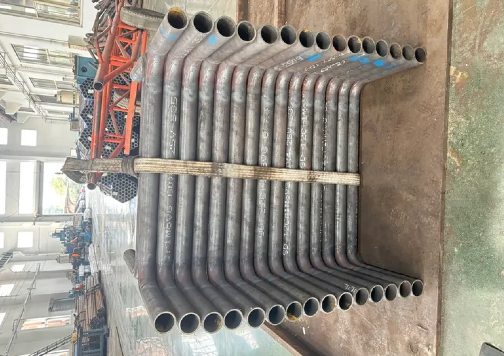
Heat exchangers are an integral part of many industrial systems, playing a crucial role in transferring heat between two fluids. Whether used in HVAC systems, chemical processing plants, automotive engines, or power generation facilities, heat exchangers must operate with high efficiency to ensure energy savings, optimal system performance, and long-term durability. One critical design element that has revolutionized heat exchanger technology is the use of U Bending Tubes.
The U Bending Tube is an essential component of many heat exchangers due to its ability to improve heat transfer, optimize space, reduce energy loss, and enhance overall performance. In this article, we will explore the multiple benefits of using U Bending Tubes in heat exchanger systems, and why they are crucial to maximizing efficiency and extending the lifespan of heat exchangers in various industries.
What Are U Bending Tubes?
U Bending Tubes are tubes that are bent into a U-shape, commonly used in heat exchangers to improve fluid flow and heat transfer. The U-bend design allows for a compact arrangement of the tubes, creating more surface area within the same amount of space, which is essential for effective heat exchange between fluids.
In a typical heat exchanger, two fluids with different temperatures flow through separate channels, and the heat from one fluid is transferred to the other. The U-bend tube design provides more surface area for the fluids to interact without the need for a larger and bulkier system. The fluid inside the tubes will flow through the bends, increasing turbulence, which enhances the overall efficiency of the heat exchange process.
Key Benefits of Using U Bending Tubes in Heat Exchanger Systems
1. Improved Heat Transfer Efficiency
The primary advantage of using U Bending Tubes in heat exchangers is their ability to improve heat transfer efficiency. The U-shape increases the effective surface area of the tube, which means more area is available for heat exchange. By maximizing the contact between the two fluids, U Bending Tubes enable higher heat transfer rates, making heat exchangers more efficient.
In traditional straight-tube heat exchangers, there can be regions where fluid flow is laminar (smooth and undisturbed), which results in poor heat transfer. The U-bend design disrupts the fluid flow, creating more turbulence and improving the heat transfer coefficient. The increased surface area combined with better fluid dynamics leads to significantly improved performance.
This enhancement is crucial in industrial applications where heat exchangers need to handle high fluid volumes and extreme temperatures, such as in power plants, refrigeration, and chemical reactors.
2. Space Optimization
Space is often a critical constraint in the design of industrial systems. Whether you are dealing with a large-scale facility or need to incorporate the heat exchanger into a compact machine, the ability to optimize space is key. U Bending Tubes offer an ideal solution by making the most of the available space without compromising heat transfer efficiency.
In traditional heat exchangers, straight tubes require more linear space to achieve sufficient heat exchange. U Bending Tubes, however, allow for a more compact arrangement, reducing the overall footprint of the heat exchanger system. This is especially useful in industries like automotive manufacturing or in applications where space is limited but efficient heat transfer is still a priority.
The compact nature of U Bending Tubes also reduces the material required to construct the heat exchanger, resulting in cost savings. Manufacturers can achieve the desired performance while keeping the system smaller, lighter, and more affordable.
3. Reduced Pressure Drop
Pressure drop is an important consideration in any heat exchanger system, as it can affect both the performance and energy consumption of the system. In many heat exchangers, the fluid flow can experience resistance as it moves through the tubes, leading to a reduction in pressure. This pressure drop requires additional energy to pump the fluids, thus reducing overall system efficiency.
U Bending Tubes can help reduce pressure drop by encouraging smoother fluid flow. The U-bend design creates a more direct path for the fluid to travel, which reduces friction and turbulence that typically result in pressure loss. The reduction in pressure drop improves the energy efficiency of the system and ensures more stable fluid flow, which is crucial for optimizing heat exchanger performance.
By using U Bending Tubes, heat exchanger systems can operate with reduced energy consumption, offering long-term cost savings and better overall system performance.
4. Enhanced Durability and Corrosion Resistance
Heat exchangers are often exposed to challenging conditions such as high temperatures, corrosive fluids, and high-pressure environments. As such, durability and corrosion resistance are important factors in the design of heat exchangers. U Bending Tubes are often made from materials that offer excellent resistance to corrosion, such as stainless steel, titanium, and copper alloys. These materials are ideal for use in heat exchangers that deal with aggressive chemicals or harsh operating environments.
The U Bending Tube design also helps improve the longevity of heat exchangers by providing an easier path for cleaning and maintenance. The U-bend shape eliminates the presence of "dead zones" (areas where fluid doesn’t flow efficiently), which can become clogged with debris or deposits. This makes the system easier to maintain, reducing the risk of operational failures due to blocked or corroded tubes.
By selecting the right materials and using U Bending Tubes in heat exchangers, companies can ensure longer-lasting, more reliable systems that can withstand the test of time and harsh working conditions.
5. Flexibility in Design and Customization
Heat exchangers come in many different shapes and sizes, depending on the specific requirements of the application. U Bending Tubes offer significant flexibility when designing heat exchangers. The compact nature and ability to be arranged in different configurations make U Bending Tubes suitable for a wide range of applications.
The flexibility provided by U Bending Tubes means that engineers can design custom heat exchangers that are perfectly tailored to specific needs, whether that means fitting the system into a tight space or maximizing heat transfer efficiency in a particular application. The ability to customize heat exchangers using U Bending Tubes helps optimize system performance and meet operational needs more effectively.
In addition, the U-bend design allows for easy modifications to existing heat exchangers. Engineers can swap out or reconfigure the U-bend tubes to accommodate changes in fluid flow, temperature, or pressure requirements, offering better adaptability.
6. Energy Efficiency and Reduced Operating Costs
Due to their efficient heat transfer capabilities, space-saving design, and reduced pressure drop, U Bending Tubes contribute to overall energy efficiency in heat exchangers. More efficient heat transfer means that systems require less energy to achieve the desired temperature regulation, reducing the operational costs associated with the heat exchange process.
With rising energy costs and the need for sustainability in industrial processes, companies are increasingly looking for ways to reduce their energy consumption. The use of U Bending Tubes in heat exchangers helps optimize system performance, ensuring that energy is used more efficiently and reducing the overall carbon footprint of the facility.
By incorporating U Bending Tubes into heat exchanger designs, businesses can not only save money on energy costs but also improve the sustainability of their operations, making them more competitive in today’s environmentally-conscious market.
Applications of U Bending Tubes in Heat Exchangers
The use of U Bending Tubes is widespread in various industries that rely on efficient heat exchange systems. Some of the common applications include:
HVAC Systems: In heating, ventilation, and air conditioning systems, U Bending Tubes are used to enhance heat transfer while saving space, especially in compact systems.
Power Generation: Heat exchangers used in steam or gas turbines often incorporate U Bending Tubes to optimize heat transfer and improve energy recovery.
Automotive Industry: U Bending Tubes are commonly found in radiators and engine cooling systems, improving efficiency and reducing the size of the system.
Chemical Processing: Many industrial processes that involve the transfer of heat between chemicals utilize U Bending Tubes to improve efficiency and maintain operational safety.
Refrigeration: In refrigeration units, especially commercial systems, U Bending Tubes help to reduce system size while maximizing the heat transfer process.
Conclusion
The use of U Bending Tubes in heat exchangers offers numerous benefits that can significantly improve system performance, durability, and energy efficiency. By enhancing heat transfer, optimizing space, reducing pressure drop, and offering design flexibility, U Bending Tubes are a key element in modern heat exchanger technology. Whether in HVAC systems, power plants, or chemical processing facilities, U Bending Tubes help businesses achieve efficient heat exchange while reducing energy consumption and operational costs.
For more information on U Bending Tubes and other advanced heat exchanger solutions, Suzhou Baoxin Precision Mechanical Co., Ltd. offers a range of products and services designed to meet your industrial needs.
FAQ
Q: What makes U Bending Tubes more efficient than traditional tubes in heat exchangers?
A: The U-bend design increases surface area, promotes turbulent fluid flow, and improves heat transfer efficiency compared to traditional straight tubes.
Q: Can U Bending Tubes reduce energy consumption in heat exchanger systems?
A: Yes, the increased heat transfer efficiency and reduced pressure drop result in lower energy usage, making U Bending Tubes more energy-efficient.
Q: Are U Bending Tubes customizable for specific applications?
A: Yes, U Bending Tubes are versatile and can be customized in terms of size, material, and configuration to meet specific operational requirements.
Q: What materials are typically used for U Bending Tubes?
A: U Bending Tubes are commonly made from corrosion-resistant materials such as stainless steel, titanium, and copper alloys, ensuring durability and performance in harsh environments.


