Heat exchangers are vital components in many industrial processes, and their efficiency plays a significant role in optimizing energy consumption, improving performance, and minimizing costs. Whether in HVAC systems, refrigeration units, automotive cooling, or industrial applications, heat exchangers are designed to transfer heat between fluids or gases to maintain system efficiency. One key factor in achieving optimal heat transfer is selecting the right materials and designs for the system's components.
One such critical design element is the U Bending Tube. U Bending Tubes are commonly used in heat exchangers to improve fluid flow dynamics, reduce space requirements, and enhance heat transfer efficiency. However, selecting the right U Bending Tube for your heat exchanger needs is crucial to achieving the best performance and long-term reliability. In this article, we will explore the factors to consider when choosing the appropriate U Bending Tube and how it can improve your heat exchanger system.
What Are U Bending Tubes?
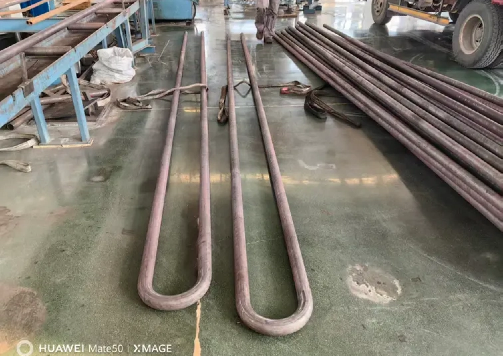
U Bending Tubes are tubes shaped into a “U” form. Typically, these tubes are made from high-quality materials such as stainless steel, copper, or titanium, designed to withstand the harsh environments that heat exchangers operate in. The design allows for greater surface area within a smaller volume, enabling more effective heat exchange. These tubes are primarily used in shell and tube heat exchangers, where they carry the fluids whose heat is to be exchanged.
The U Bending Tube design is essential in optimizing heat exchanger performance. It is highly beneficial for applications where space is limited, or high efficiency is critical, as the design promotes improved heat transfer rates and reduces energy consumption.
Factors to Consider When Choosing U Bending Tubes for Heat Exchangers
When selecting the right U Bending Tube for your heat exchanger system, several factors must be taken into account to ensure that the system operates at peak performance. These factors include material choice, tube diameter, wall thickness, fluid type, pressure ratings, and temperature limits. Here’s a closer look at each factor:
1. Material Selection
The material used for U Bending Tubes plays a significant role in determining the tube's performance, durability, and cost. Different materials offer varying levels of resistance to corrosion, heat, and pressure. Here are some commonly used materials for U Bending Tubes:
Stainless Steel: Stainless steel is one of the most popular materials for U Bending Tubes due to its excellent corrosion resistance, strength, and ability to withstand high temperatures. It is ideal for use in systems with aggressive fluids or where long-lasting durability is required.
Copper: Copper is an excellent heat conductor, making it a popular choice for heat exchangers. It’s particularly useful when quick heat transfer is required. However, it is not as resistant to corrosion as stainless steel.
Titanium: Titanium is known for its high resistance to corrosion, especially in harsh chemical environments. It is suitable for highly corrosive applications, such as in marine or chemical processing systems, but it tends to be more expensive than other materials.
When selecting a material, consider the operating conditions of your heat exchanger and choose the material that will withstand those conditions while providing the desired heat transfer capabilities.
2. Tube Diameter and Length
The diameter of the U Bending Tube is crucial to the flow capacity of the heat exchanger. A larger diameter allows for a higher flow rate, but it may also reduce the heat transfer efficiency due to a lower fluid velocity. Conversely, smaller tubes result in higher fluid velocity and better heat transfer but may reduce the flow rate.
The length of the U Bending Tube also influences the performance. Longer tubes offer greater surface area for heat exchange, but they take up more space within the heat exchanger. It’s essential to strike the right balance between tube length and diameter to optimize both heat transfer and space utilization.
3. Wall Thickness
The wall thickness of the U Bending Tube plays a role in determining the tube's strength and resistance to pressure. Thicker walls can withstand higher pressures, but they also reduce the internal flow area and increase the overall size and weight of the tube. For most applications, selecting the right balance of thickness is essential to maintaining efficient heat transfer while ensuring that the tube can handle the operational pressures without failure.
4. Fluid Type and Compatibility
The type of fluid flowing through the heat exchanger is a critical factor when choosing U Bending Tubes. Different fluids have varying levels of corrosiveness, viscosity, and heat transfer properties. For instance, oil and gas systems require tubes that can handle highly corrosive materials, while water or coolant-based systems may have less stringent material requirements.
Understanding the specific properties of the fluid, including its temperature, pressure, and chemical composition, is key to selecting the right U Bending Tube material. A heat exchanger using aggressive chemicals may require a more resistant material, such as titanium, whereas a water-based system might be suitable for stainless steel tubes.
5. Pressure Ratings and Temperature Limits
Pressure and temperature are critical operating conditions for heat exchangers. U Bending Tubes need to be able to handle the pressure of the fluids they carry and maintain their integrity at high temperatures. Make sure the selected tube material and thickness are rated for the specific pressure and temperature conditions of your system. Higher temperatures and pressures require more robust tubes, often leading to higher costs but ensuring long-term reliability and performance.
6. Fluid Flow Characteristics
The flow rate, velocity, and turbulence of the fluid inside the U Bending Tube can have a significant impact on heat transfer efficiency. Turbulent flow tends to improve heat transfer by increasing the mixing of the fluid, while laminar flow may reduce efficiency. U Bending Tubes naturally induce turbulence at the bends, which helps enhance heat transfer. Therefore, when choosing U Bending Tubes, consider the optimal flow characteristics for your application and select a design that maximizes this effect.
Benefits of Choosing the Right U Bending Tube
When the right U Bending Tube is selected, the heat exchanger will operate more efficiently, leading to several benefits:
Improved Heat Transfer: The right material, diameter, and design will maximize the surface area and promote turbulence, resulting in improved heat transfer efficiency.
Cost Savings: By optimizing energy efficiency, the right U Bending Tube can reduce energy consumption, leading to lower operational costs.
Enhanced Durability: Using materials compatible with the operating conditions extends the lifespan of the heat exchanger, minimizing downtime and maintenance costs.
Compact Design: Properly selected U Bending Tubes allow for a more compact heat exchanger design, saving valuable space while maintaining high performance.
Customization: With various materials and sizes available, U Bending Tubes can be customized to suit the specific needs of any application.
Conclusion
Choosing the right U Bending Tube for your heat exchanger is crucial to ensuring optimal performance and long-term reliability. Key considerations include material selection, tube diameter, wall thickness, fluid type, and pressure ratings. By carefully evaluating these factors, you can select the U Bending Tube that best suits your application, ultimately improving heat transfer efficiency, reducing costs, and increasing system longevity.
At Suzhou Baoxin Precision Mechanical Co., Ltd., we specialize in providing high-quality U Bending Tubes and other heat exchanger components. If you’re looking for precision-engineered solutions tailored to your specific needs, feel free to contact us for more information.
FAQ
Q: What materials are commonly used for U Bending Tubes in heat exchangers?
A: Common materials include stainless steel, copper, and titanium, depending on the operating conditions and fluid types.
Q: How does the diameter of U Bending Tubes affect heat transfer?
A: A larger diameter allows for higher flow rates but may reduce heat transfer efficiency, while smaller diameters result in higher fluid velocity and better heat transfer.
Q: Why is wall thickness important when selecting U Bending Tubes?
A: Wall thickness determines the tube's ability to withstand pressure and temperature conditions, ensuring durability and optimal performance.
Q: Can U Bending Tubes be customized for specific applications?
A: Yes, U Bending Tubes can be customized in terms of material, size, and thickness to meet the specific needs of different heat exchanger applications.


