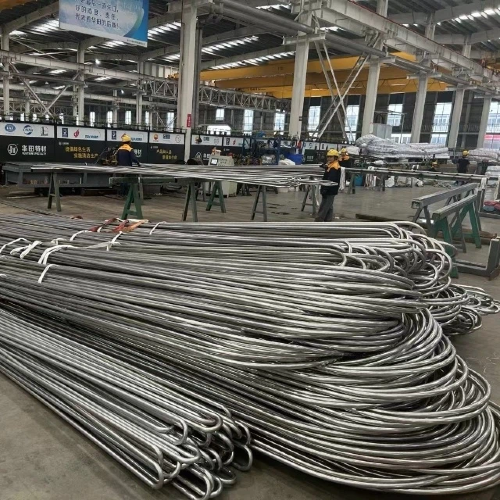
Fin tubes are an essential component in modern heat exchange systems. They work by increasing the surface area of a tube to allow more efficient heat transfer, which is crucial in various industrial applications such as HVAC systems, boilers, and chemical processing. Understanding how a fin tube works and the mechanisms behind it can help industries improve energy efficiency and optimize their heat exchange systems.
In this article, we will explore the fundamental working principles of fin tubes, their types, applications, and maintenance considerations. We'll also address the key benefits of using fin tubes and offer guidance on choosing the right fin tube for specific needs.
What is a Fin Tube?
Definition of Fin Tube
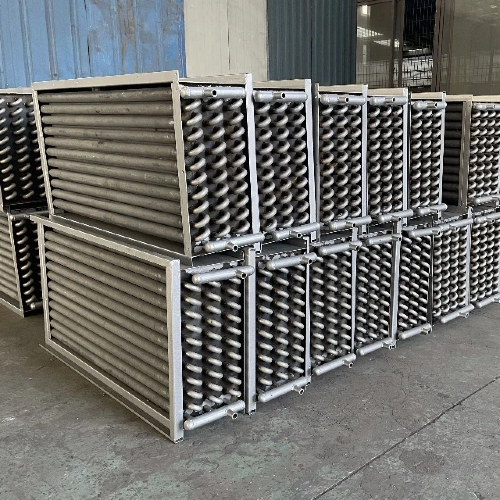
A fin tube is a tube that has fins attached to its surface, which increases the surface area and enhances the heat exchange process. These fins are usually made of metal and are welded or mechanically attached to the tube. The tube typically carries the fluid, while the fins help in transferring heat between the tube and the surrounding environment.
The purpose of fin tubes is to improve thermal efficiency by increasing the area available for heat transfer without needing a larger overall size. This makes them particularly valuable in systems where space is limited but efficient heat transfer is crucial.
Basic Structure of a Fin Tube
The fin tube consists of two main components:
Tube: This is the primary part that carries the fluid (usually a gas or liquid) through the system. The material of the tube is chosen based on the application, and it typically includes metals like copper, stainless steel, or carbon steel.
Fins: Attached to the outer surface of the tube, the fins increase the heat transfer surface. They are typically made of materials with high thermal conductivity, such as aluminum or copper, to ensure efficient heat exchange.
Basic Working Principle of a Fin Tube
How a Fin Tube Works
The working principle of a fin tube is straightforward: the tube carries the fluid, and the fins increase the surface area available for heat transfer. Here's how it works:
Heat Transfer Process: The fluid inside the tube carries heat. The heat from the fluid is transferred to the surrounding fins through conduction. The larger surface area provided by the fins helps to dissipate the heat to the surrounding air or other fluids. In reverse applications, heat is absorbed from the environment to the fluid inside the tube.
Role of the Fins: The fins increase the surface area in contact with the fluid or air, which promotes faster heat exchange. The larger the surface area, the more efficiently heat can be transferred between the two mediums.
Thermal Conductivity: The material used for both the tube and the fins plays a crucial role in the efficiency of heat transfer. Materials with high thermal conductivity, such as copper and aluminum, are commonly used in fin tubes to ensure that heat is transferred quickly and efficiently.
Heat Transfer Mechanism
Convection: This is the primary method through which heat is transferred between the fins and the surrounding medium (such as air or water). The heat from the fluid inside the tube warms up the fins, and the heat is transferred to the surrounding medium through convection.
Conduction: The heat from the fluid inside the tube is conducted into the material of the tube and then transferred to the fins. This process is most efficient when materials with high thermal conductivity are used.
Radiation: In some cases, radiation can also contribute to heat transfer, especially at higher temperatures, though convection and conduction are usually the dominant processes in fin tubes.
Types of Fin Tubes
There are several types of fin tubes, each designed to cater to specific applications. The main difference between these types is the way the fins are attached to the tube and the type of fin design used. The most common types include:
1. Spiral Finned Tubes
Spiral finned tubes have fins that are wrapped around the tube in a helical spiral. This design increases the surface area for heat exchange and improves the airflow around the tube, enhancing heat transfer. These tubes are ideal for applications where high heat transfer rates are required, such as in cooling systems and air conditioning systems.
2. Straight Finned Tubes
In straight fin tubes, the fins are arranged in a parallel configuration along the length of the tube. This design allows for a more straightforward manufacturing process and is commonly used in radiators, heating systems, and air-cooled heat exchangers. Straight fins are effective in applications where the fluid inside the tube flows steadily.
3. Embedded Finned Tubes
Embedded fin tubes are designed with the fins integrated into the surface of the tube. This method offers greater durability, as the fins are less likely to become damaged compared to external fins. Embedded fin tubes are often used in high-pressure applications, such as power plants and chemical reactors.
4. Serrated Finned Tubes
Serrated fins are designed with a wavy, zigzag pattern, which helps improve heat transfer by increasing turbulence in the fluid. This type of fin is used in systems where high heat transfer efficiency is required, such as in boilers and industrial heating equipment.
Applications of Fin Tubes
Fin tubes are versatile components used in many industries for efficient heat transfer. Some of the key applications include:
1. Heat Exchangers
One of the most common uses of fin tubes is in heat exchangers, where they help facilitate heat transfer between two fluids. They are particularly effective in air-cooled and liquid-cooled heat exchangers, as they increase the surface area for heat exchange without requiring large, bulky systems.
2. Boilers and Furnaces
Fin tubes are used in boilers and furnaces to optimize heat exchange. In these systems, they help transfer heat from hot gases to the water or other fluids circulating through the system. By increasing the surface area, fin tubes enable these systems to operate more efficiently.
3. HVAC Systems
In HVAC systems, fin tubes are used to maximize heat exchange in both heating and cooling applications. They are often found in air conditioning systems, refrigeration units, and ventilation systems, where they help regulate temperature and improve energy efficiency.
4. Oil & Gas Industry
In the oil and gas industry, fin tubes are used in heat exchangers, cooling systems, and boilers to manage high temperatures and pressures. These systems are essential for processes such as oil refining, natural gas processing, and petrochemical manufacturing.
Benefits of Using Fin Tubes
1. Increased Heat Transfer Efficiency
The primary benefit of using fin tubes is the significant increase in heat transfer efficiency. By adding fins to the tube, the surface area available for heat exchange is greatly expanded, which leads to faster and more effective heat transfer.
2. Space Efficiency
Fin tubes are designed to provide high heat transfer in a compact form, making them ideal for applications where space is limited. They allow for efficient heat exchange without requiring large and cumbersome equipment.
3. Durability and Longevity
Depending on the material used, fin tubes can be highly durable and resistant to corrosion, especially when made from materials like stainless steel or copper. This makes them suitable for use in harsh environments and high-pressure applications.
4. Cost-Effective
Since fin tubes enhance the efficiency of heat transfer, they can help reduce energy costs in the long run. They allow systems to operate more efficiently, which can lower fuel consumption and reduce operating costs over time.
Factors to Consider When Choosing Fin Tubes
When selecting a fin tube, there are several factors to consider to ensure you choose the right one for your application:
Factor | Considerations |
Material | Choose materials based on temperature resistance, corrosion resistance, and cost. |
Fin Type | Select between spiral, straight, or embedded fins depending on the application. |
Operating Environment | Consider the pressure, temperature, and fluid types when choosing materials. |
Efficiency Requirements | High-efficiency systems may require specialized fin designs such as serrated fins. |
Choosing the Right Material
Materials used in fin tubes vary depending on the specific environmental conditions and the type of heat transfer required. For example:
Copper is widely used for its excellent thermal conductivity but may be more prone to corrosion.
Stainless steel is ideal for high-pressure and high-temperature applications because it offers better durability and resistance to corrosion.
Maintenance of Fin Tubes
To ensure the longevity and efficiency of fin tubes, regular maintenance is necessary. Some key maintenance tasks include:
1. Cleaning and Inspection
Ensure that the fins are free of debris and buildup, which can reduce heat transfer efficiency. Periodic cleaning of the fins, especially in air-cooled systems, is critical to maintain optimal performance.
2. Corrosion Checks
Inspect the fin tubes for signs of corrosion or degradation, particularly in high-humidity or high-salinity environments. Use corrosion-resistant materials to extend the lifespan of the fins.
3. Regular Monitoring
Monitor the pressure and temperature of the fluids running through the tubes to ensure that the system is operating within safe parameters.
Conclusion
In conclusion, fin tubes are essential for improving heat transfer systems across various industries, including HVAC, oil and gas processing, and more. Their ability to enhance heat exchange efficiency by increasing the surface area makes them indispensable for optimizing energy use and improving system performance. Understanding the working principles, types, and applications of fin tubes, along with proper maintenance, ensures the best results in heat exchange systems.
At Suzhou Baoxin Precision Mechanical Co., Ltd., we specialize in providing high-quality fin tubes tailored to your specific needs. By choosing the right fin tube and ensuring its proper upkeep, industries can significantly boost the efficiency of their heat exchange systems, reduce energy costs, and extend the lifespan of their equipment. For more information or inquiries, we invite you to reach out to us directly. Let us help you find the perfect solution for your heat transfer needs.
FAQ
1. What materials are used to make fin tubes?
Common materials for fin tubes include copper, aluminum, stainless steel, and carbon steel. The choice of material depends on the application and environmental conditions, such as temperature and exposure to corrosive elements.
2. How do fin tubes improve heat transfer?
The fins on a fin tube increase the surface area available for heat exchange, allowing heat to be transferred more efficiently from the fluid inside the tube to the surrounding environment.
3. What are the different types of fin tubes?
The main types of fin tubes include spiral finned tubes, straight finned tubes, embedded fin tubes, and serrated fin tubes. Each type is designed for specific applications and provides different advantages in terms of heat transfer and durability.
4. Where are fin tubes commonly used?
Fin tubes are commonly used in heat exchangers, boilers, HVAC systems, and oil and gas processing. They are essential in any application where efficient heat transfer is needed in a compact form.
5. How should fin tubes be maintained?
Regular cleaning, inspection for corrosion, and monitoring of system pressure and temperature are key to maintaining fin tubes. Ensuring the fins are free of debris and corrosion will help maintain their efficiency over time.


