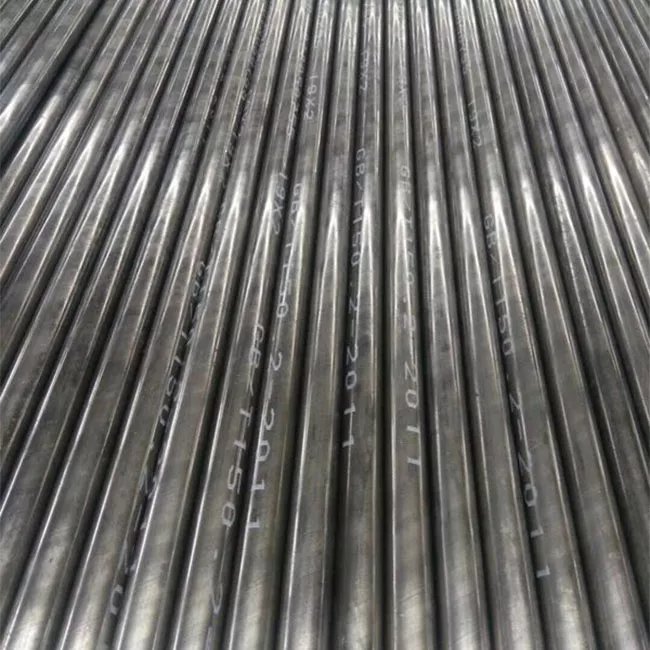
The modern automotive industry operates at the intersection of extreme engineering demands: increasing performance, mandatory emissions reduction, and relentless pressure on total lifecycle cost. While components like engines and infotainment systems capture the spotlight, the exhaust system remains the unsung hero—a critical, high-stress assembly that determines a vehicle’s compliance, noise signature, and long-term reliability.
At the heart of this system lies the indispensable Stainless Automotive Tube. Far from a simple conduit, this specialized tubing is a precision-engineered product facing punishing conditions—cyclic thermal stress, aggressive corrosive condensate, and high-frequency vibration. Choosing the right material is no longer optional; it is fundamental to meeting the stringent longevity and performance requirements of original equipment manufacturers (OEMs) and Tier 1 suppliers worldwide.
1. The Evolution of Exhaust Materials: From Mild Steel to Stainless Supremacy
The automotive exhaust system has undergone a massive transformation. Early systems, often constructed from mild steel, struggled to survive more than a few years, particularly in regions exposed to road salts and high humidity. The economic and environmental cost of frequent replacements quickly drove the industry toward superior alternatives.
The shift to stainless steel was catalyzed by increasingly strict anti-corrosion warranties and the advent of sophisticated emissions control devices, such as catalytic converters and particulate filters, which operate at significantly higher temperatures than older systems. This new environment demanded a material that could withstand an internal temperature that might briefly exceed 900°C, alongside the external attack of moisture and corrosive agents.
High-grade stainless steel, specifically the ferritic (e.g., 409L, 439) and austenitic (e.g., 304, 316) series, became the definitive solution. These alloys provide the essential blend of strength, formability, and chemical resistance necessary for the modern vehicle architecture. The material choice must be nuanced, balancing the higher thermal expansion and material cost of austenitic grades with the cost-efficiency and excellent oxidation resistance of ferritic grades.
Corrosion Resistance: The Lifespan Multiplier
The exhaust system is a breeding ground for corrosion. Upon shutdown, the rapid cooling of hot gases leads to condensation, creating an acidic cocktail (containing sulfur and nitrogen compounds) that attacks the internal surfaces. For OEMs looking for the longest possible component lifespan and reduced warranty claims, ensuring high corrosion resistance stainless exhaust tubing is paramount. Grades like 439, known for their enhanced chromium and titanium stabilization, offer superior localized corrosion resistance compared to lower-grade alternatives, securing a vehicle’s durability in the most demanding environments.
Heat Resilience: Taming the Inferno
Modern exhaust after-treatment systems, designed to clean up emissions, require the exhaust gas to maintain high temperatures to function effectively. The tubing connecting the engine to the catalytic converter and beyond must therefore exhibit exceptional high-temperature stability. This heat resilience is critical to prevent thermal fatigue, cracking, and deformation. Our focus is on providing materials that maintain structural integrity and minimize scaling even under severe thermal cycling, guaranteeing the reliability of these expensive and critical emissions components.
2. Engineering Performance: Beyond Just Carrying Gases
The exhaust is no longer a passive pipe; it is an active contributor to vehicle performance, noise cancellation, and even engine tuning. The properties of the Stainless Automotive Tube directly influence back pressure, gas flow velocity, and ultimately, the engine's power output and efficiency. Furthermore, in electric and hybrid vehicles, the heat management of batteries and power electronics is increasingly relying on specialized stainless tubing circuits.
Lightweighting and Fuel Efficiency
In the global drive for lower emissions and improved mileage, every kilogram matters. Utilizing lightweight stainless automotive tube solutions allows manufacturers to reduce the overall mass of the vehicle without compromising safety or structural integrity. Advanced tube drawing and forming techniques enable the use of thinner-gauge materials that maintain the necessary mechanical properties, contributing directly to better fuel economy and meeting stricter governmental fuel efficiency standards like CAFE. This precision manufacturing requires material that is highly consistent and free of internal defects, ensuring seamless hydroforming and bending operations in the manufacturing process.
Precision Manufacturing: Achieving Optimal Flow
Achieving optimal gas flow is essential for engine scavenging (clearing burnt gases) and minimizing back pressure, which directly impacts horsepower. This requires tubing with extremely tight dimensional tolerances—consistent Outer Diameter (OD), Inner Diameter (ID), and wall thickness—and a smooth internal finish. The superior cold-drawing and cold-rolling capabilities applied to high-quality stainless steel ensure that the finished tube provides the smooth, consistent internal bore necessary for performance tuning and optimal flow dynamics. This precision is a competitive differentiator for high-performance and premium vehicles.
3. Meeting Global Emissions Standards: The Stainless Catalyst
Regulatory bodies around the world are continuously increasing the stringency of emissions standards (e.g., Euro 7, CARB LEV IV). These regulations mandate not only lower tailpipe emissions but also the sustained performance and durability of the emissions control equipment over the entire lifespan of the vehicle. This trend fundamentally elevates the importance of the exhaust system's construction material.
Stainless steel's role is critical in stabilizing and isolating the temperature-sensitive after-treatment components. The complex geometry required for manifolds, oxygen sensor bosses, and the housings of Selective Catalytic Reduction (SCR) or Diesel Particulate Filter (DPF) units necessitates a material that is easily weldable, highly formable, and resistant to oxidation that could lead to sensor failure or gas leaks.
Supporting Complex After-treatment Systems
The complexity of modern exhaust systems—featuring multiple sensors, filters, catalysts, and injectors—demands the utmost material reliability. Specifically, the durable stainless steel tubing for diesel particulate filters (DPF) must withstand extremely high temperatures during regeneration cycles while maintaining pressure containment. Our commitment is to supply Durable Stainless Automotive Tube that meets these critical requirements, ensuring that the components function reliably for the vehicle’s full service life and minimizing the risk of expensive compliance failures.
4. The Competitive Advantage of Choosing Specialized Stainless Tubes
In the high-stakes environment of automotive production, material sourcing is a strategic decision. Choosing a specialized, reliable supplier of Stainless Automotive Tube is an investment that pays dividends throughout the supply chain and product lifecycle. The benefits extend far beyond simple material cost, impacting design feasibility, manufacturing efficiency, and customer satisfaction. Our products are engineered specifically to reduce risks associated with material variability and premature failure, offering a distinct advantage over standard commodity materials.
Total Cost of Ownership (TCO) in Automotive Manufacturing
For purchasing managers and engineers, focusing solely on the per-meter cost of tubing overlooks the true cost-effective durable stainless automotive tube supply. The Total Cost of Ownership (TCO) includes material cost, manufacturing scrap rates (due to poor formability or inconsistent welding), assembly labor, and, critically, warranty claim costs. High-quality, consistent stainless tube minimizes internal flaws, improves welding speed and reliability, and drastically reduces the risk of expensive field failures. By prioritizing premium stainless tube, manufacturers are effectively reducing long-term TCO and protecting their brand reputation.
The future of automotive propulsion, whether internal combustion, hybrid, or hydrogen fuel cell, will continue to rely on advanced materials capable of managing extreme conditions. The Stainless Automotive Tube is central to these innovations, providing the structural integrity and thermal management required for the next generation of cleaner, lighter, and more durable vehicles.
We specialize in supplying precision-engineered stainless steel tubing, optimized for the rigorous demands of global automotive manufacturing. Our products meet the highest international standards for chemical composition, mechanical properties, and dimensional consistency, ensuring seamless integration into your production line and superior performance for your end product.
For B2B Inquiries:
Partner with a trusted supplier to secure your inventory of high-performance, high-durability stainless tubing. We offer customized supply chain solutions, technical consultation, and material grading expertise to meet your specific platform requirements. To discuss your project specifications, request technical data sheets, or obtain a competitive quotation, pleaseContact Us today.


