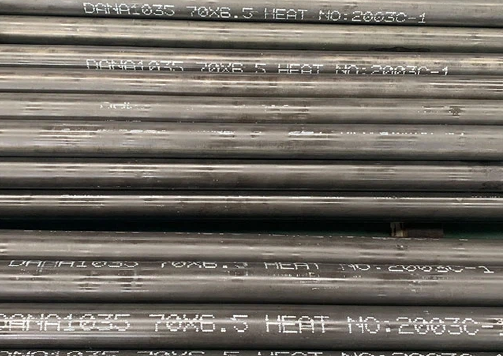
When it comes to the safety and reliability of your vehicle, one component that often goes unnoticed but is crucial for smooth operation is the fuel line tube. Fuel lines are responsible for transporting fuel from the tank to the engine, and without a properly functioning fuel line, your vehicle’s engine would not receive the necessary fuel to operate.
Among the different types of fuel lines, high-strength auto fuel line tubes are particularly important because they are designed to endure extreme conditions. These tubes are made from robust materials that allow them to withstand high pressures, resist wear and corrosion, and prevent fuel leaks—all of which are vital to ensure that your vehicle operates safely and efficiently.
In this article, we will explore what makes high-strength fuel line tubes essential, how to choose the right one for your vehicle, and the factors to consider when making this important decision. From understanding different materials to knowing what specifications to look for, here’s a comprehensive guide on how to choose the right high-strength auto fuel line tube for your vehicle.
1. Understanding the Importance of High-Strength Fuel Line Tubes
Fuel line tubes are one of the most critical components of a vehicle’s fuel system. They serve as the pathway through which fuel travels from the tank to the engine, and they need to be built to withstand a variety of challenges, including high temperatures, exposure to harsh chemicals, and constant pressure. High-strength auto fuel line tubes are specifically engineered to meet these demands.
Here are some reasons why high-strength fuel line tubes are essential for your vehicle:
Fuel Safety: A leaking fuel line can pose serious safety risks, including fire hazards. High-strength fuel lines are designed to be durable and resistant to wear, reducing the risk of leaks that could lead to fires.
Pressure Resistance: Fuel systems operate under significant pressure. High-strength fuel line tubes are designed to handle these pressures without bursting or breaking, which is crucial for the safe delivery of fuel to the engine.
Chemical Resistance: Fuel lines are exposed to a variety of chemicals, including gasoline, diesel, and oil. High-strength tubing resists corrosion and degradation caused by these chemicals, ensuring that the fuel system functions optimally.
Long-Term Durability: High-strength fuel line tubes are built to last longer than standard tubes, which means fewer replacements and lower maintenance costs over the life of your vehicle.
Given these benefits, it’s clear that choosing the right high-strength fuel line tube is critical for the overall performance and safety of your vehicle.
2. Factors to Consider When Choosing the Right Fuel Line Tube
When selecting a high-strength auto fuel line tube, several factors should influence your decision. These include material type, size, pressure rating, compatibility with fuel types, and even environmental factors. Below is a breakdown of the most important considerations to keep in mind when choosing the right fuel line tube for your vehicle.
a. Material of the Fuel Line Tube
The material of the fuel line tube is one of the most important factors to consider because it directly affects the tube's strength, durability, and performance. The most common materials used for high-strength auto fuel line tubes include rubber, steel, and nylon.
Rubber: Rubber fuel lines are flexible and easy to install, making them a popular choice for many vehicles. High-strength rubber tubes are often reinforced with braided stainless steel or Kevlar to increase their strength and resistance to wear. Rubber is resistant to chemicals and fuel, but over time, exposure to heat and sunlight can cause rubber tubes to degrade, so they may need to be replaced more frequently.
Steel: Steel is one of the strongest materials available for fuel line tubes. Braided stainless steel is a particularly popular choice for high-performance vehicles because of its exceptional strength and resistance to abrasion, pressure, and heat. Steel tubes are more durable than rubber lines and offer superior longevity but are typically less flexible.
Nylon: Nylon fuel lines are lightweight and flexible, making them suitable for certain automotive applications. Nylon is resistant to corrosion and wear, but it may not have the same high-pressure tolerance as steel lines. Nylon tubes are often used for fuel systems in motorcycles and small engines, where flexibility and weight are more important than extreme pressure tolerance.
b. Fuel Type Compatibility
The fuel your vehicle uses plays a significant role in determining which type of fuel line tube is best suited for your needs. Different fuel types—whether gasoline, diesel, ethanol, or alternative fuels—have varying chemical compositions that can interact with materials differently.
Gasoline: Fuel lines for gasoline vehicles need to be resistant to the chemical properties of gasoline, which can cause corrosion over time. Rubber and stainless steel are common materials used for gasoline fuel lines due to their resistance to degradation.
Diesel: Diesel fuel is denser and more viscous than gasoline, so fuel lines for diesel engines need to be able to handle higher pressure and potential wear. Steel-reinforced rubber or braided steel tubes are commonly used in diesel engines due to their durability and pressure resistance.
Ethanol and Biofuels: Ethanol and biofuels can be more corrosive to certain types of rubber and plastic. If you are using a vehicle that runs on ethanol or biofuels, you should ensure that the fuel line tube is compatible with these types of fuels. Nylon and fluoroelastomer coatings are often used to protect the tube from the corrosive effects of ethanol.
When choosing a fuel line tube, always check the manufacturer’s recommendations to ensure the material is compatible with your vehicle’s fuel type.
c. Pressure and Temperature Ratings
Fuel systems operate under significant pressure, and the fuel line tube must be able to handle that pressure without rupturing. A high-strength fuel line tube must also be capable of withstanding extreme temperatures that may occur in the engine compartment.
Pressure Rating: Make sure to choose a fuel line tube with a pressure rating that matches or exceeds the operating pressure of your vehicle’s fuel system. If you are unsure, it’s a good idea to consult your vehicle’s service manual or a mechanic.
Temperature Resistance: Fuel line tubes need to withstand high temperatures in the engine bay. Look for tubes rated for high-temperature resistance, especially if you live in a hot climate or drive long distances.
d. Size and Fit
The size of the fuel line tube must match the requirements of your vehicle’s fuel system. Most fuel line tubes are available in various diameters and lengths. When replacing a fuel line, it's crucial to measure the diameter and length of the tube to ensure a proper fit.
A tight fit ensures that the fuel system operates at peak efficiency, preventing leaks or blockages. If you’re unsure of the exact size, always consult your vehicle’s manufacturer or a professional mechanic.
e. Environmental Factors
If you live in an area with extreme weather conditions, such as high humidity, freezing temperatures, or exposure to salt (in coastal areas), it’s important to consider how these factors will affect the durability of your fuel line tube. Tubes exposed to such conditions will require materials that are resistant to corrosion, UV radiation, and extreme temperature fluctuations.
3. Choosing the Right Supplier
When sourcing high-strength auto fuel line tubes, it’s important to choose a reliable supplier that provides high-quality, durable materials. Here are some tips for selecting the right supplier:
Reputation: Choose a supplier with a strong reputation for providing high-quality fuel line tubes that meet or exceed industry standards.
Certifications: Make sure the supplier’s products are certified to meet specific standards, such as ISO or SAE certifications, which indicate that the fuel line tubes meet safety and performance regulations.
Customization: Some suppliers offer customized fuel line solutions based on specific vehicle needs. This is particularly useful for high-performance or specialized vehicles.
Customer Support: A good supplier will provide comprehensive customer support, offering advice on which fuel line tube is best for your vehicle and offering assistance with installation or troubleshooting.
4. Conclusion
Choosing the right high-strength auto fuel line tube for your vehicle is a crucial decision that impacts both the safety and performance of your fuel system. The right tube should provide durability, resistance to pressure and temperature extremes, and compatibility with your vehicle’s fuel type. Whether you opt for rubber, steel, or nylon fuel lines, always ensure that the material is strong enough to handle the demands of your vehicle.
When in doubt, seek guidance from a trusted supplier like Suzhou Baoxin Precision Mechanical Co., Ltd., which offers high-quality, durable, and reliable fuel line tubes to suit various automotive applications. By making the right choice in fuel line tubes, you’ll ensure your vehicle runs smoothly, efficiently, and most importantly, safely for years to come.


