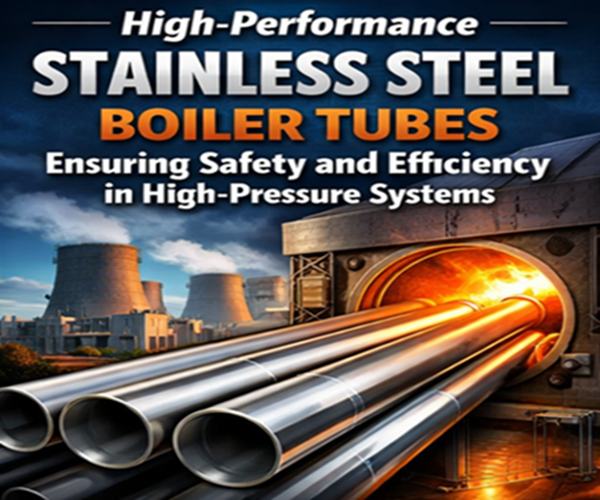
What keeps high-pressure boilers running safely every day? Often, the answer is a small but vital part—the Boiler Tube. In power plants and heavy industries, these tubes handle intense heat and pressure while transferring energy efficiently. In this article, you will learn how stainless steel boiler tubes work, what materials and manufacturing methods are used, and how they improve safety and efficiency in high-pressure systems.
Understanding the Role of Boiler Tubes in High-Pressure Systems
What Is a Boiler Tube and Why It Matters
A boiler tube is a specialized steel pipe designed to operate in environments with extremely high temperatures and pressures. Unlike ordinary pipes used for fluid transport, boiler tubes must maintain structural strength while transferring heat efficiently inside industrial boilers. They are engineered to withstand continuous thermal stress, pressure fluctuations, and chemical exposure during long-term operation.
The main purpose of a boiler tube is heat transfer. In a boiler system, combustion generates high-temperature gases that flow around the tubes. Water or steam inside the tubes absorbs this heat, converting water into high-pressure steam used in power generation, manufacturing, and chemical processing. Because this process is central to boiler operation, the thermal performance of the tube directly affects system efficiency.
The reliability of boiler tubes is also critical for safety. Damage such as corrosion, overheating, or micro-cracks can weaken the tube wall, leading to steam leakage or system shutdowns. In large industrial facilities, tube failure may cause costly downtime and operational risks. For this reason, boiler tubes are produced under strict standards and undergo extensive testing to ensure long service life.
Key Boiler Components That Depend on Boiler Tubes
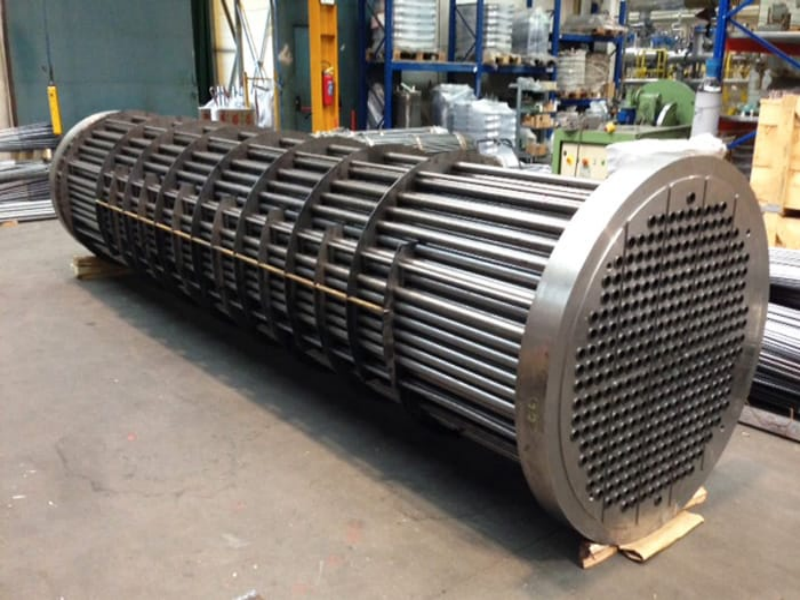
Boiler tubes are integrated into several key components within a boiler system, forming the network responsible for steam generation and heat transfer. Each component performs a different role but relies on the strength and durability of the tubes. One important application is the water wall tube system, which lines the furnace walls of high-pressure boilers. Water flows through these tubes while hot gases circulate outside them, allowing the tubes to absorb heat and generate steam while protecting the boiler structure from extreme temperatures. Another major application involves superheater and reheater tubes. Superheater tubes increase the temperature of saturated steam before it enters turbines, improving energy conversion efficiency. Reheater tubes raise the temperature of partially expanded steam between turbine stages, helping maintain performance in power generation systems.
Boiler tubes also appear in steam pipelines and heat exchangers, where they transport steam or transfer heat between fluids during industrial processes.
Boiler Component | Function |
Water Wall Tubes | Absorb furnace heat to generate steam |
Superheater Tubes | Increase steam temperature |
Reheater Tubes | Reheat steam during turbine cycles |
Heat Exchanger Tubes | Transfer heat between fluids |
Operating Conditions Boiler Tubes Must Withstand
Boiler tubes operate in extremely demanding conditions inside industrial boilers. They are continuously exposed to high-pressure steam, which places strong mechanical stress on the tube walls. Maintaining structural stability under these pressures is essential for safe and reliable operation.
Externally, the tubes face high-temperature combustion gases produced during fuel burning. These gases can reach several hundred degrees Celsius, creating large temperature differences between the inner and outer tube surfaces. Such conditions generate significant thermal stress that the material must tolerate without deformation.
In addition to pressure and heat, boiler tubes must resist long-term corrosion, oxidation, and thermal fatigue. Chemical impurities in water or fuel can accelerate corrosion, while repeated heating and cooling cycles may cause gradual material weakening. To withstand these challenges, high-performance materials such as stainless steel and alloy steels are commonly used, as they provide strong resistance to heat, corrosion, and long-term structural damage.
Material Advantages of Stainless Steel Boiler Tubes
Why Stainless Steel Is Preferred for High-Performance Boiler Tubes
In high-pressure boiler systems, material choice determines whether equipment can operate safely for years or fail prematurely under heat and chemical stress. Stainless steel has become a preferred material for boiler tubes because it maintains stability in environments where ordinary steels gradually deteriorate. Industrial boilers often involve hot steam, combustion byproducts, and chemical residues, all of which can accelerate corrosion if the material lacks sufficient resistance.
One of the main advantages of stainless steel is its ability to resist corrosion in moist, high-temperature environments. Steam systems frequently contain dissolved oxygen, salts, or other impurities that can attack metal surfaces. Stainless steel forms a protective chromium-rich oxide layer that shields the underlying metal, significantly slowing corrosion compared with carbon steel.
Another critical benefit is high-temperature oxidation resistance. In many boiler applications, outer tube surfaces are exposed to combustion gases that can exceed 600 °C. Stainless steel alloys maintain their protective oxide layer even at these temperatures, preventing rapid scaling and material loss. This characteristic is particularly valuable in power generation or petrochemical systems where continuous high-temperature exposure is unavoidable.
Durability also plays a major role in material selection. Stainless steel tubes generally maintain structural strength and surface stability longer than standard carbon steel pipes, reducing maintenance frequency and minimizing the risk of unexpected shutdowns in demanding industrial environments.
Common Stainless Steel Grades Used in Boiler Tube Manufacturing
Different boiler operating conditions require different stainless steel grades. Factors such as temperature, corrosion risk, and mechanical load determine which alloy is most suitable. Manufacturers typically select materials that balance heat resistance, corrosion protection, and long-term structural stability. For general high-temperature applications, 304 and 304L stainless steel are widely used. These grades provide good corrosion resistance and reliable performance in many steam systems. The low-carbon version, 304L, offers improved resistance to intergranular corrosion after welding, which is useful during tube fabrication.
In environments where corrosion is more aggressive, 316 and 316L stainless steel are often selected. These alloys contain molybdenum, which enhances resistance to chemical attack and improves durability in systems exposed to chlorides or acidic compounds.
For extremely high temperatures, specialized grades such as TP347H and TP310S are commonly applied. These materials are designed to maintain strength and oxidation resistance even under prolonged exposure to elevated temperatures found in advanced power generation systems.
Stainless Steel Grade | Typical Application | Key Advantage |
304 / 304L | General boiler systems | Balanced corrosion and heat resistance |
316 / 316L | Corrosive steam environments | Improved chemical resistance |
TP347H | High-temperature boilers | Strong creep resistance |
TP310S | Extreme heat environments | Superior oxidation resistance |
Mechanical Properties That Improve Boiler Tube Reliability
Beyond corrosion resistance, the mechanical properties of stainless steel significantly influence the long-term performance of boiler tubes. High-pressure systems require materials capable of handling both mechanical loads and thermal stress without deformation. A key requirement is high tensile strength and yield strength. These properties determine how well a tube can withstand internal pressure and external mechanical forces without permanent deformation. Stronger materials help maintain the tube’s structural integrity even when operating pressures fluctuate during startup and shutdown cycles. Another important property is creep resistance, which refers to the ability of a material to resist gradual deformation when exposed to high temperature and stress over long periods. In boilers operating continuously for thousands of hours, creep resistance prevents the tube wall from slowly stretching or thinning under sustained loads.
In addition, stainless steel boiler tubes are designed with stress rupture resistance in mind. This property ensures that the material can endure prolonged exposure to high temperature and pressure without sudden fracture. Together, these mechanical characteristics allow stainless steel tubes to perform reliably in demanding industrial conditions where both thermal and mechanical stresses are present simultaneously.
How Material Selection Impacts Boiler Safety and Lifespan
Selecting the appropriate stainless steel grade is not simply a matter of corrosion protection; it directly influences boiler safety and service life. When the material is properly matched to operating conditions, the tubes maintain stable performance even during extended exposure to heat and pressure. One major advantage of high-quality stainless steel tubes is their ability to prevent tube wall thinning caused by oxidation or corrosion. When ordinary steel loses material over time, its pressure-bearing capacity gradually decreases, increasing the risk of rupture. Stainless steel’s protective oxide layer slows this degradation and preserves wall thickness. Material stability at high temperature is another key factor. Stainless steel alloys maintain a stable internal microstructure during prolonged heating, reducing the likelihood of cracking or metallurgical changes that could weaken the tube. The combined effects of corrosion resistance, high-temperature stability, and strong mechanical performance ultimately help extend the operational life of boiler tubes. In large industrial systems where shutdowns are costly, choosing the right material reduces maintenance demands and lowers the probability of unexpected equipment failures.
Manufacturing and Quality Control of Stainless Steel Boiler Tubes
Seamless vs Welded Boiler Tube Production
The production method of stainless steel boiler tubes directly affects their strength and suitability for different pressure conditions. Two main approaches are used in industry: seamless and welded tube manufacturing. Seamless tubes are made from solid steel billets that are heated and pierced to create a hollow tube, then rolled to reach the required size and wall thickness. Because there is no weld seam, the tube structure remains continuous, providing excellent resistance to pressure and thermal stress. For high-pressure boilers and critical energy systems, seamless tubes are typically preferred since they minimize potential structural weak points.
Welded tubes, often produced using electric resistance welding (ERW), are formed by rolling a stainless steel strip into a cylindrical shape and welding the edges together. This method is more cost-efficient and suitable for large-scale production. While welded tubes perform reliably in moderate-pressure applications, seamless tubes are generally selected for demanding high-temperature and high-pressure environments.
Key Manufacturing Processes That Improve Tube Performance
Several additional processes help enhance the performance and durability of boiler tubes after the initial forming stage.
● Hot rolling: Shapes heated steel into the basic tube structure while improving material uniformity.
● Cold drawing: Refines dimensions and produces a smoother surface, improving heat transfer and reducing flow resistance.
● Heat treatment: Controlled heating and cooling relieve internal stress and stabilize the steel’s microstructure, allowing tubes to withstand repeated thermal cycles.
These steps ensure the tube maintains both dimensional accuracy and mechanical stability during long-term operation.
Inspection and Testing Methods for Boiler Tube Safety
To guarantee reliability, stainless steel boiler tubes undergo strict inspection before installation. Because they operate under extreme pressure and temperature, even small defects must be detected early.
A key procedure is hydrostatic testing, where tubes are filled with water and pressurized beyond normal operating levels to confirm structural strength and leak resistance.
Manufacturers also use non-destructive testing (NDT) methods, including:
● Ultrasonic testing (UT): Detects internal cracks or material defects.
● Eddy current testing: Identifies surface or near-surface flaws.
In addition, visual and dimensional inspections check for surface imperfections such as cracks or pits. Together, these quality control steps ensure boiler tubes meet strict safety and performance standards before entering service.
Efficiency Benefits of High-Performance Stainless Steel Boiler Tubes
Improved Heat Transfer in Boiler Systems
In industrial boilers, heat transfer efficiency directly affects how effectively fuel energy is converted into usable steam. Stainless steel boiler tubes play an important role in this process because their structural quality and surface condition influence how quickly heat moves from combustion gases into the working fluid inside the tube.
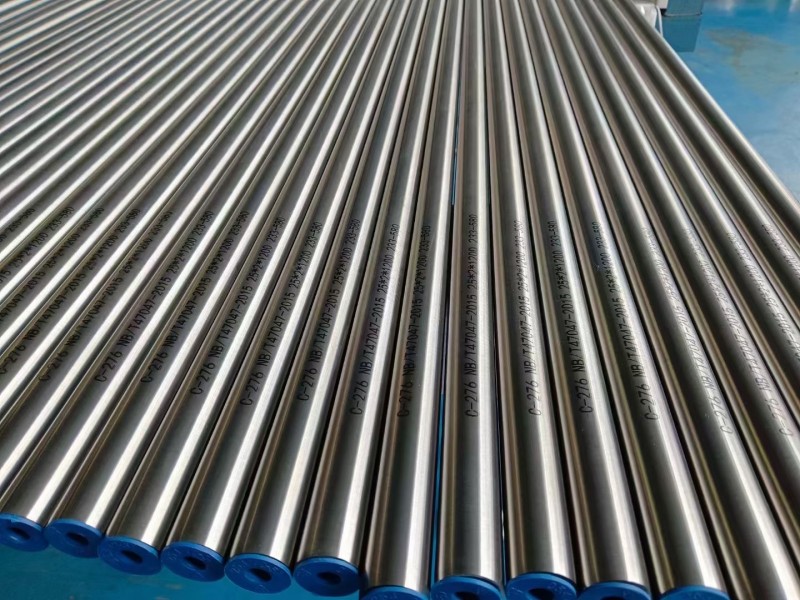
One key factor is the smooth surface finish achieved during manufacturing processes such as cold drawing and precision rolling. A smoother internal surface reduces fluid resistance and improves the contact between the tube wall and the flowing water or steam. At the same time, the external surface allows heat from combustion gases to transfer more evenly across the metal wall. This combination reduces thermal resistance and improves overall heat exchange performance.
Another important feature is uniform wall thickness. When the tube wall is consistent throughout its length, heat flows more evenly through the material. Irregular thickness can create hot spots or uneven heat transfer, which reduces efficiency and may increase stress on certain sections of the tube. By maintaining consistent dimensions, stainless steel boiler tubes help ensure stable thermal conductivity and predictable operating behavior across the entire system.
Reduced Energy Consumption in Industrial Boilers
Energy efficiency is a major concern in industries that rely heavily on steam generation. Power plants, chemical processing facilities, and manufacturing operations often run boilers continuously, meaning even small improvements in efficiency can lead to significant reductions in fuel consumption over time. High-performance stainless steel boiler tubes support efficient heat exchange, allowing more thermal energy from combustion to be transferred into the water or steam circulating inside the tubes. When heat transfer is optimized, less fuel is required to produce the same amount of steam. This reduces operating costs and helps facilities meet increasingly strict energy efficiency targets. Equally important is the ability of stainless steel tubes to maintain stable performance during long operating cycles. Materials that degrade quickly may lose thermal conductivity or develop surface damage that disrupts heat transfer. Stainless steel’s resistance to high temperatures and chemical attack helps preserve its heat transfer capability, ensuring that the boiler continues to operate efficiently over extended periods without frequent performance decline.
Resistance to Scaling and Fouling
One common challenge in steam systems is the buildup of scale and deposits on tube surfaces. Minerals dissolved in boiler water can accumulate on the inner walls of tubes during evaporation, forming hard layers that act as thermal insulation. Even a thin layer of scale can significantly reduce heat transfer efficiency. Stainless steel tubes are less prone to severe scaling compared with many traditional materials because their surfaces tend to be smoother and more resistant to chemical reactions. This makes it harder for mineral particles to adhere firmly to the tube wall, slowing the formation of deposits that restrict heat flow. Reduced fouling offers two practical advantages. First, the boiler can maintain a consistent rate of heat transfer for longer periods without requiring frequent cleaning. Second, improved surface cleanliness reduces the likelihood of localized overheating caused by insulating deposits. In systems that operate continuously, this contributes to more stable thermal performance and improved operational reliability.
Lower Maintenance and Longer Service Life
In addition to improving efficiency, stainless steel boiler tubes also help reduce maintenance demands in industrial boiler systems. Because the material resists corrosion and oxidation, it experiences fewer forms of structural degradation during operation. This stability helps prevent common issues such as pitting, wall thinning, or premature cracking. A reduction in corrosion-related damage means that inspection and repair intervals can often be extended. Maintenance teams spend less time addressing tube failures, and plant operators can maintain steady production schedules without frequent shutdowns. For facilities where downtime leads to significant financial losses, this reliability is particularly valuable.
Another advantage is the extended service life of stainless steel boiler tubes. High-quality materials combined with precise manufacturing processes allow the tubes to withstand years of thermal cycling and pressure loading. As a result, replacement cycles become longer and the overall lifecycle cost of the boiler system can be significantly reduced.
Conclusion
Stainless steel boiler tubes support safe high-pressure systems. Strong materials and strict manufacturing ensure reliability.
Choosing quality tubes improves efficiency and extends service life. Suzhou Baoxin Precision Mechanical Co.,Ltd. provides precise tubes and stable performance.
FAQ
Q: What is a Boiler Tube used for in industrial boilers?
A: A Boiler Tube transfers heat from combustion gases to water or steam, enabling efficient steam generation in high-pressure boiler systems.
Q: Why are stainless steel Boiler Tubes used in high-pressure systems?
A: Stainless steel Boiler Tubes resist corrosion, oxidation, and creep, maintaining structural stability in high-temperature and high-pressure environments.
Q: What is the difference between seamless and welded Boiler Tube designs?
A: A seamless Boiler Tube has no weld seam, providing higher pressure resistance, while welded tubes are more economical for moderate-pressure applications.
Q: How are Boiler Tubes inspected for safety?
A: Boiler Tube integrity is verified through hydrostatic pressure testing, ultrasonic inspection, and eddy current testing to detect structural defects.


