Product Overview
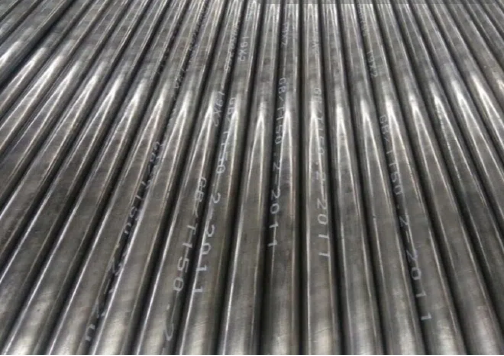
It is constructed with a medical-grade liquid silicone rubber (LSR) outer layer (compliant with ISO 10993) and a reinforced 304 stainless steel alloy inner core—creating a structure that combines the flexibility of silicone with the strength of stainless steel. This design meets strict FDA (U.S. Food and Drug Administration) and automotive industry standards, making it suitable for dual-use scenarios where both sterility (for medical applications) and durability (for automotive use) are required. The tube’s flexibility and chemical resistance make it ideal for emergency vehicles (e.g., ambulances), where it can be used for both medical fluid delivery (e.g., IV lines) and automotive lubrication systems—reducing the need for separate, specialized tubes.
Product Features
Biocompatibility: The medical-grade LSR outer layer complies with FDA 21 CFR Part 177 (for food and medical contact materials) and passes key biocompatibility tests: ISO 10993-5 (cytotoxicity, confirming no harm to cells) and ISO 10993-4 (hemolysis, ensuring no damage to red blood cells). This makes it safe for direct contact with human tissue and fluids (e.g., blood, saline) in medical applications. The LSR layer is also non-porous, preventing bacterial growth and making it easy to sterilize.
Flexibility: The combination of LSR and 304 stainless steel allows for exceptional flexibility, with a 180° bend radius of <50mm (even for a 8mm OD tube) and no restriction to fluid flow. The tube maintains its performance after 10,000+ flex cycles (tested per ASTM D3475), making it suitable for dynamic applications—such as the moving parts of automotive engines or the adjustable arms of medical equipment (e.g., surgical lights). The flexibility also simplifies installation in tight spaces (e.g., ambulance compartments, engine bays).
Chemical Resistance: The LSR outer layer resists a wide range of disinfectants (e.g., 70% ethanol, 3% hydrogen peroxide, quaternary ammonium compounds) commonly used in medical settings, as well as automotive fluids (e.g., engine oil, transmission fluid, brake fluid, coolant). It is also resistant to oil and grease, preventing swelling or degradation when exposed to automotive lubricants. However, it should not be used with gasoline, as gasoline can dissolve the LSR layer and compromise the tube’s structure.
Temperature Stability: Operates from -40°C to 150°C, covering the temperature ranges of both medical and automotive applications. At -40°C (common in cold climates), the LSR layer remains flexible to prevent cracking—critical for automotive tubes in winter. At 150°C (the maximum temperature in engine bays), the 304 stainless steel core retains its strength, and the LSR layer does not melt or degrade. The tube is also suitable for autoclave sterilization (121°C/15psi for 20 minutes), a common medical sterilization method.
Applications
Medical device fluid delivery, including dialysis machines (transferring dialysate), surgical tools (delivering saline for irrigation), and IV fluid lines (for patient hydration).
Automotive precision lubrication systems, such as turbocharger oil lines and transmission fluid lines, where flexibility and chemical resistance are essential.
Laboratory equipment fluid circuits (e.g., chromatographs, spectrometers), handling reagents and solvents with high precision.
Emergency vehicle medical supply lines, serving dual purposes in ambulances (e.g., medical fluid delivery and automotive fluid transfer) to save space and reduce weight.
FAQ
Is it latex-free?
Yes, the tube contains no natural rubber latex (NRL) or latex derivatives. The outer layer is made of liquid silicone rubber, and the inner core is 304 stainless steel—eliminating the risk of allergic reactions (e.g., skin rashes, anaphylaxis) that are common with latex-based medical products. This makes it safe for use with patients and healthcare workers who have latex allergies, a critical requirement in medical facilities.
Can it be sterilized multiple times?
Yes, it withstands 200+ autoclave cycles (121°C/15psi for 20 minutes) without material degradation—far exceeding the typical 50-cycle requirement for disposable medical tubes. After each sterilization cycle, the LSR layer retains its flexibility and biocompatibility, and the stainless steel core remains corrosion-free. It can also be sterilized via ethylene oxide (EtO) gas (a low-temperature method) for heat-sensitive medical devices, such as plastic components attached to the tube. For automotive use, sterilization is not required, but the tube can be cleaned with automotive degreasers (e.g., citrus-based cleaners) without damage.
What automotive fluids is it compatible with?
It is fully compatible with: engine oil (SAE 5W-30 to 20W-50), transmission fluid (ATF, CVT fluid), brake fluid (DOT 3, DOT 4, DOT 5.1), and coolant (ethylene glycol or propylene glycol-based). These fluids do not cause swelling, cracking, or degradation of the LSR layer or stainless steel core. However, avoid direct contact with gasoline (including gasoline blends like E10) and diesel fuel, as these hydrocarbons can dissolve the LSR layer over time—leading to fluid leakage and tube failure. For fuel-related applications, use the High-Strength Auto Fuel Line Tube (detailed earlier) instead.


