Product Overview
Constructed with high-purity PTFE (polytetrafluoroethylene) via a seamless extrusion process, it meets FDA 21 CFR Part 177 for food/lab contact and ASTM D3296 for transparent tubing. The fully transparent wall (light transmittance >95%) allows real-time monitoring of fluid clarity, bubbles, or particle contamination—critical for automotive R&D labs testing fuel, coolant, or lubricant performance. Its seamless design eliminates crevices where residues accumulate, ensuring sample purity.
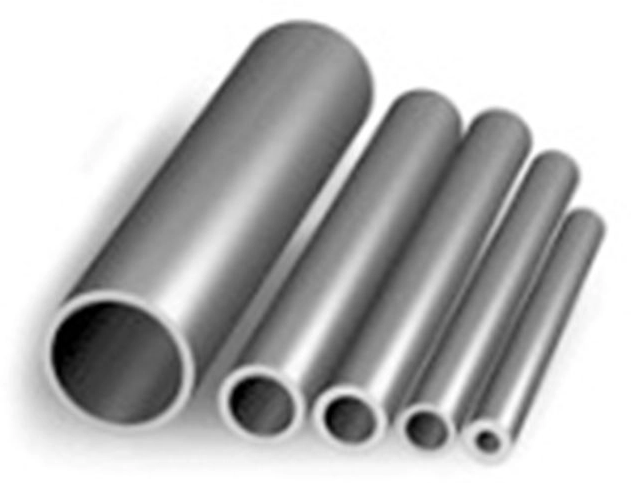
Product Features
Transparency & Purity: Light transmittance of >95% (visible spectrum) enables visual inspection of fluid flow and contamination. The high-purity PTFE material has a total extractable content of <0.01%, preventing sample contamination during automotive fluid analysis.
Chemical Inertness: Resists 99% of laboratory reagents (e.g., acetone, hexane, sulfuric acid) and automotive fluids (gasoline, diesel, engine oil) with no chemical reaction—outperforming glass tubes that are prone to breakage.
Seamless Hygiene: The one-piece extrusion process eliminates welds or joints, reducing residue buildup by 100% compared to welded tubes. It is easy to clean with ultrasonic cleaning (40kHz, 30 minutes) or steam sterilization (121°C).
Temperature & Pressure Range: Operates from -200°C to 260°C and withstands 1.5 MPa (217 psi) working pressure—suitable for high-temperature fluid testing (e.g., engine coolant at 100°C) and low-temperature viscosity measurements.
Applications
Automotive fuel analysis labs (monitoring fuel additive dispersion and sedimentation).
Lubricant testing facilities (observing oil degradation and particle formation).
Coolant performance labs (testing corrosion inhibitor effectiveness).
Emission control R&D (transferring exhaust gas samples to analyzers).
FAQ
Can it be used for high-viscosity fluids?
Yes, its smooth inner surface (Ra <0.1μm) minimizes friction, allowing seamless transfer of high-viscosity fluids (e.g., motor oil, grease) without clogging. For fluids with viscosity >100 cSt, use a tube with ID ≥6mm to maintain flow rates.
How to clean residues after use?
For oil-based residues, flush with isopropyl alcohol followed by distilled water. For chemical reagents (e.g., acids), rinse with neutralizing solutions (e.g., 5% sodium bicarbonate for acids) then distilled water. For stubborn residues, soak in a 10% nitric acid solution (30 minutes) then rinse thoroughly—PTFE’s inertness prevents damage.
Is it compatible with automotive fuel vapor testing?
Absolutely. It is commonly used in fuel vapor emission testing (per EPA Tier 3 standards) due to its low permeability (<0.001 g/m²·day for gasoline vapor). The transparent wall allows detection of vapor condensation, ensuring accurate test results.


